Bitcoin's Potential Bull Market Linked to Credit Expansion and Institutional Adoption
Michael Saylor, chairman of MicroStrategy, suggests that bank lending and the expansion of Bitcoin-backed credit products could drive the next bull market for Bitcoin, citing developments in institutional financing and…

Michael Saylor, chairman of MicroStrategy, expects bank lending and the introduction of new Bitcoin-backed credit products to fuel the next bull market for Bitcoin. Speaking at the Cantor Convergence conference, Saylor outlined how expanding access to financing could increase Bitcoin purchases, discourage existing holders from selling, and attract institutional capital. He emphasized that bank credit would be the key driver of additional buying and the key driver for the not selling (Source ID: 1). [1]
Saylor's outlook is based on two developments: MicroStrategy's efforts to raise billions through digital-credit securities and the growing interest among traditional banks in accepting Bitcoin-related investments as collateral. The company has the capacity to sell $48 billion in credit instruments without moving the Bitcoin price, according to Saylor. The model involves raising capital through preferred securities, using the proceeds to acquire Bitcoin, and paying dividends to investors while retaining exposure to potential appreciation in Bitcoin holdings (Source ID: 1). [1]
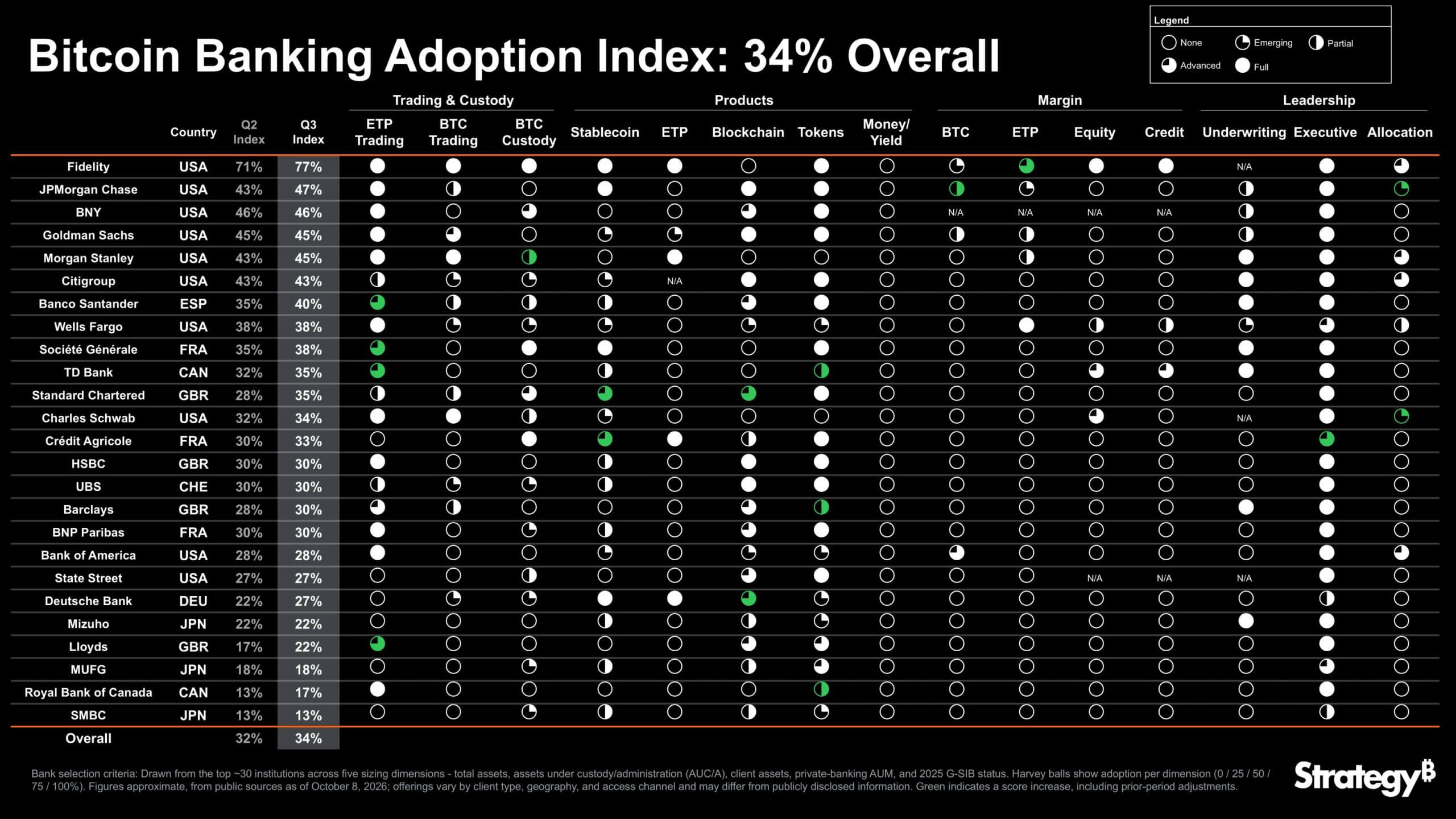
Saylor anticipates that commercial banks could provide another source of Bitcoin demand by extending credit against investors' existing holdings. He compared this opportunity to the mortgage market, where access to financing allows buyers to purchase properties without paying their full value upfront. Saylor specifically identified BlackRock's iShares Bitcoin Trust (IBIT) as a potential beneficiary of broader lending arrangements involving JPMorgan, Morgan Stanley, and Charles Schwab (Source ID: 1). [1]
Despite the potential benefits, borrowing against investments does not necessarily guarantee long-term holding power. For example, Charles Schwab's Pledged Asset Line allows qualifying investors to borrow against eligible securities without selling them, but the bank retains considerable control over repayment. Schwab can demand repayment at any time, increase collateral requirements without advance notice, and liquidate pledged securities when borrowers fail to meet their obligations (Source ID: 1). [1]
Advertisement
Michael Saylor, chairman of MicroStrategy, expects bank lending and the introduction of new Bitcoin-backed credit products to fuel the next bull market for Bitcoin. Speaking at the Cantor Convergence conference, Saylor outlined how expanding access to financing could increase Bitcoin purchases, discourage existing holders from selling, and attract institutional capital (Source ID: 1). He emphasized that bank credit would be a key driver of additional buying and the key driver for the not selling. His outlook rests on two related developments: MicroStrategy's efforts to raise billions through digital-credit securities and the growing interest among traditional banks in accepting Bitcoin-related investments as collateral (Source ID: 1). [1]
Saylor anticipates that commercial banks could provide another source of Bitcoin demand by extending credit against investors' existing holdings. He compared this opportunity to the mortgage market, where access to financing allows buyers to purchase properties without paying their full value upfront (Source ID: 1). Saylor specifically identified BlackRock's iShares Bitcoin Trust (IBIT) as a potential beneficiary of broader lending arrangements involving JPMorgan, Morgan Stanley, and Charles Schwab. He explained that if Bitcoin flows into an ETF like IBIT and banks such as JPMorgan or Schwab extend credit against the IBIT, investors would tend to hold that asset (Source ID: 1). [1]
However, borrowing against investments does not necessarily guarantee long-term holding power. Charles Schwab's existing Pledged Asset Line illustrates this, as it allows qualifying investors to borrow against eligible securities without selling them but gives the bank considerable control over repayment (Source ID: 1). Schwab can demand repayment at any time, increase collateral requirements without advance written notice, and liquidate pledged securities when borrowers fail to satisfy their obligations. The arrangement could reduce selling pressure by allowing investors to access cash without liquidating their Bitcoin ETF positions, but the terms of the loan can still lead to forced sales if conditions are not met (Source ID: 1). [1]
Michael Saylor expects bank lending and the introduction of new Bitcoin-backed credit products to fuel the next bull market for Bitcoin. Speaking at the Cantor Convergence conference, Saylor outlined how expanding access to financing could increase Bitcoin purchases, discourage existing holders from selling, and attract institutional capital. He emphasized that bank credit would be a key driver of additional buying and the key driver for the not selling (source ID: 1). [1]
Advertisement
Saylor's outlook rests on two related developments: MicroStrategy's efforts to raise billions through digital-credit securities and the growing interest among traditional banks in accepting Bitcoin-related investments as collateral. He expects both channels to strengthen demand for Bitcoin, although their ability to sustain purchases during market downturns remains uncertain (source ID: 1). [1]
Beyond MicroStrategy's financing model, Saylor expects commercial banks to provide another source of Bitcoin demand by extending credit against investors' existing holdings. He compared the opportunity to the mortgage market, where access to financing allows buyers to purchase properties without paying their full value upfront. Saylor specifically identified BlackRock's iShares Bitcoin Trust (IBIT) as a potential beneficiary of broader lending arrangements involving JPMorgan, Morgan Stanley, and Charles Schwab (source ID: 1). [1]
Michael Saylor expects bank lending and a new wave of BTC-backed credit products to drive Bitcoin's next bull market. Speaking at the Cantor Convergence conference, Saylor outlined how expanding access to financing could increase Bitcoin purchases, discourage existing holders from selling, and attract institutional capital. He emphasized that bank credit is going to be the key driver of additional buying and the key driver for the not selling (Source ID: 1). [1]
Saylor's outlook rests on two related developments: MicroStrategy's efforts to raise billions through digital-credit securities and the growing interest among traditional banks in accepting Bitcoin-related investments as collateral. Strategy outlines a potential $48 billion in Bitcoin-backed credit expansion, with the company having the capacity to sell 48 billion in digital-credit instruments without significant movement in Bitcoin prices (Source ID: 1). [1]
Advertisement
Beyond MicroStrategy's financing model, Saylor expects commercial banks to provide another source of Bitcoin demand by extending credit against investors' existing holdings. He compared the opportunity to the mortgage market, where access to financing allows buyers to purchase properties without paying their full value upfront. Saylor specifically identified BlackRock's iShares Bitcoin Trust (IBIT) as a potential beneficiary of broader lending arrangements involving JPMorgan, Morgan Stanley, and Charles Schwab (Source ID: 1). [1]
Sources
Prepared with AI assistance from the cited sources.
The Cali Reporter newsletter
The stories worth your time.
California, the country, and what comes next. Join our free newsletter for reporting that keeps you informed.
More in Business
- Kirkland Signature Meals: A Family's Take on Taste and Value
A family's review of Kirkland Signature meals highlights a mix of flavors, textures, and value at Costco, with some dishes standing out while others fall short of expectations.
- Ex-OpenAI Engineer Donates Equity to AI Safety
Jacob Coxon, a former engineer at OpenAI and Anthropic, has pledged to donate his equity in OpenAI to AI safety research, citing concerns over the risks of uncontrolled AI development.
- Scottish Hacker Sentenced for Crypto Theft Scheme
A Scottish hacker has been sentenced to six years in U.S. federal prison for orchestrating a large-scale cryptocurrency theft operation, according to a report from the U.S. Attorney’s Office for the Central District of…