Bioenergy Campuses in California: Feasibility and Benefits
UC Cooperative Extension scientists and collaborators have outlined blueprints for bioenergy campuses in Fresno and San Bernardino counties that could reduce wildfire risk, generate economic benefits, and help…

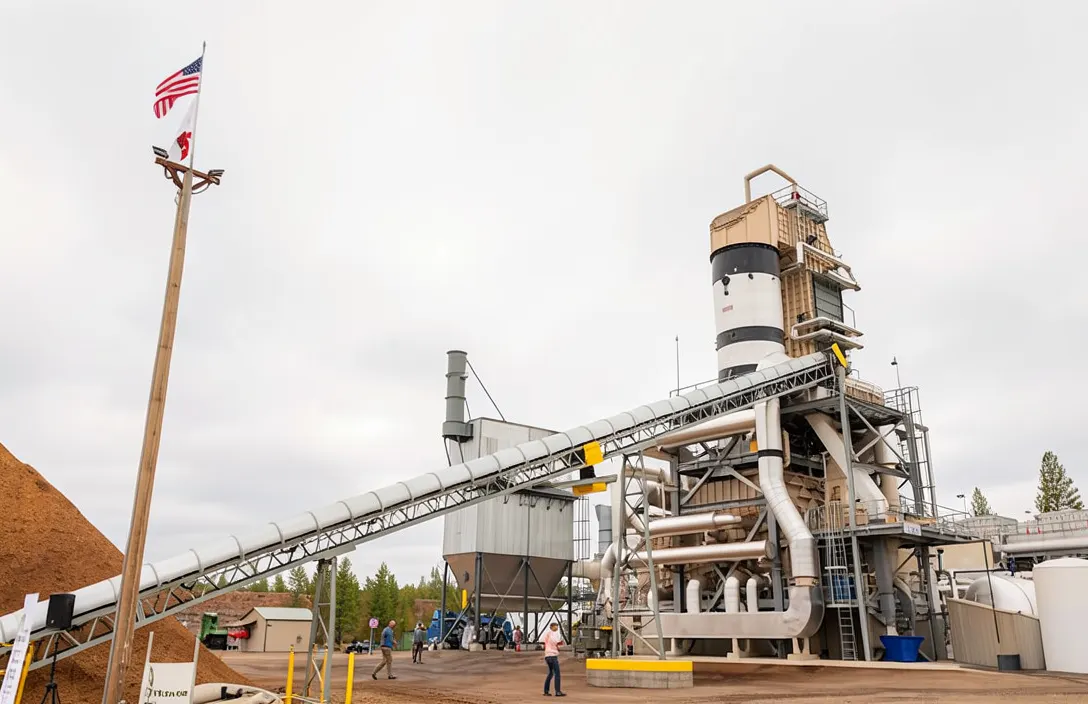
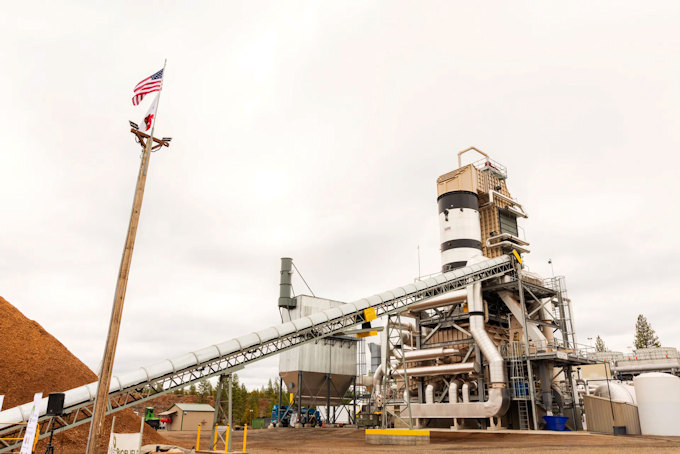
A biofuels and wood products campus that transforms woody biomass and agricultural residues into renewable energy can lower the risk of severe wildfire, generate jobs, and improve air quality, according to a report by UC Cooperative Extension scientists and collaborators (1). These facilities would use gasifiers to produce biofuels and could be modeled after the West Biofuels' Hat Creek Bioenergy facility in Burney, which converts forest thinnings into renewable electricity connected to the local grid. The reports emphasize the economic and environmental benefits of such projects, including the potential to reduce carbon emissions and support regional economic growth (1). [1]
The Fresno County report highlights the feasibility of producing renewable diesel using biomass from agricultural lands, forestry, and municipal waste, with the wood product innovation campus receiving feedstocks such as pruned branches, almond hulls, and woody debris from forest operations (1). The report outlines a systematic process for identifying potential sites for a wood products campus using multi-criteria decision analysis (MCDA) and geographic information systems (GIS) screening. After eliminating locations near sensitive habitat areas, 77 high-suitability sites were identified across California, including nine in Fresno County (1). [1]
The San Bernardino County report explores the feasibility of producing hydrogen fuel from woody biomass, which could help reduce reliance on fossil fuels in a region with high wildfire risk and historically poor air quality (1). The researchers suggest that repurposing existing facilities, such as the idled Desert View power plant in Riverside County, could reduce capital costs by 40% compared to building from scratch. However, challenges remain, including regulatory barriers, uncertainty in the hydrogen market, and the high cost of transporting biomass to the innovation campuses (1). [1]
A biofuels and wood products campus that transforms woody biomass and agricultural residues into renewable energy can lower the risk of severe wildfire, generate jobs, and improve air quality, according to a report by UC Cooperative Extension scientists and collaborators (1). The Fresno County report highlights the feasibility of producing renewable diesel using biomass from agricultural lands, forestry, and municipal waste, with the wood product innovation campus receiving feedstocks such as pruned branches, almond hulls, and woody debris from forest operations (1). The San Bernardino County report explores the feasibility of producing hydrogen fuel from woody biomass, emphasizing the potential for substantial greenhouse gas emission reduction compared with conventional fossil fuel (1). [1]
Advertisement
The Fresno County report outlines a systematic process for identifying potential sites for a wood products campus using multi-criteria decision analysis (MCDA). Geographic information systems (GIS) screening was integrated with 23 criteria layers, such as the availability and density of feedstocks and proximity to transportation networks, to determine the suitability of the sites (1). After eliminating locations that were near sensitive habitat areas and other protected lands, they identified 77 high-suitability sites across California, including nine in Fresno County (1). [1]
The San Bernardino County report highlights the advantages of repurposing an existing facility, which can reduce capital costs by 40% compared to building from scratch (1). The researchers used the idled Desert View power plant in Riverside County as a case study of how 'brownfield' development can provide benefits over a 'greenfield' pathway (1). However, the report also notes that regulatory challenges, uncertainty in the hydrogen market, and the transport of biomass remain significant obstacles to the development of biomass innovation campuses (1). [1]
A biofuels and wood products campus that transforms woody biomass and agricultural residues into renewable energy can lower the risk of severe wildfire, generate jobs, and improve air quality, according to a report by UC Cooperative Extension scientists and collaborators (1). The Fresno County report highlights the feasibility of producing renewable diesel using biomass from agricultural lands, forestry, and municipal waste, with the wood product innovation campus receiving feedstocks such as pruned branches, almond hulls, and woody debris from forest operations (1). [1]
The San Bernardino County report explores the feasibility of producing hydrogen fuel from woody biomass, noting that repurposing an existing facility can reduce capital costs by 40% compared to building from scratch (1). This approach was studied using the idled Desert View power plant in Riverside County as a case study, demonstrating the advantages of brownfield development over greenfield projects (1). [1]
Advertisement
Both reports emphasize the economic and environmental benefits of such facilities, with the Fresno County study outlining a systematic process for identifying potential sites using multi-criteria decision analysis (MCDA) and geographic information systems (GIS) (1). The San Bernardino County report also highlights the importance of creating alternative markets for woody biomass to reduce wildfire risks and improve air quality in the region (1). [1]
A biofuels and wood products campus that transforms woody biomass and agricultural residues into renewable energy can lower the risk of severe wildfire, generate jobs, and improve air quality, according to a report by UC Cooperative Extension scientists and collaborators (1). The Fresno County report highlights the feasibility of producing renewable diesel using biomass from agricultural lands, forestry, and municipal waste, with the wood product innovation campus receiving feedstocks such as pruned branches, almond hulls, and woody debris from forest operations (1). The San Bernardino County report explores the feasibility of producing hydrogen fuel from woody biomass, noting that repurposing an existing facility can reduce capital costs by 40% compared to building from scratch (1). [1]
The Fresno County report outlines a systematic process for identifying potential sites for a wood products campus using multi-criteria decision analysis (MCDA). The San Bernardino County report highlights the advantages of repurposing an existing facility, which can reduce capital costs by 40% compared to building from scratch (1). Both reports emphasize the economic and environmental benefits of such facilities, with the Fresno County study outlining a systematic process for identifying potential sites using geographic information systems (GIS) screening with 23 criteria layers, such as feedstock availability and proximity to transportation networks (1). [1]
The researchers found that commercial production of renewable diesel was feasible for Fresno County, with the first scenario (100% forest residues) demonstrating the strongest financial and operational performance in terms of the volume of renewable diesel produced and the highest internal rate of return (1). The San Bernardino County report also notes that repurposing an existing facility can reduce capital costs by 40% compared to building from scratch, with the idled Desert View power plant in Riverside County serving as a case study for brownfield development (1). [1]
Advertisement
The Cali Reporter newsletter
The stories worth your time.
California, the country, and what comes next. Join our free newsletter for reporting that keeps you informed.
More in California
- Sonora to Host 43rd Annual Historic Downtown Christmas Parade
Sonora is preparing to host the 43rd Annual Historic Downtown Christmas Parade on November 27, 2026, with detailed logistics and traffic management plans in place.
- FDA Approves New Hormone Therapy for Early-Stage Breast Cancer
The U.S. Food and Drug Administration has approved a new hormone therapy for early-stage breast cancer, marking the first such advancement in over two decades.
- Senator Catherine Cortez Masto Advocates for Ban on AI Surveillance Pricing in Grocery Stores
In response to rising Thanksgiving costs, Senator Catherine Cortez Masto and her colleagues have introduced legislation to prohibit the use of AI and other technologies that enable grocery stores to manipulate prices.