Binance Hack May Accelerate Institutional Shift to Outside Custody
Following the Binance hack, institutional investors are increasingly looking to move their crypto assets outside of exchanges, according to FalconX executive Joshua Lim.


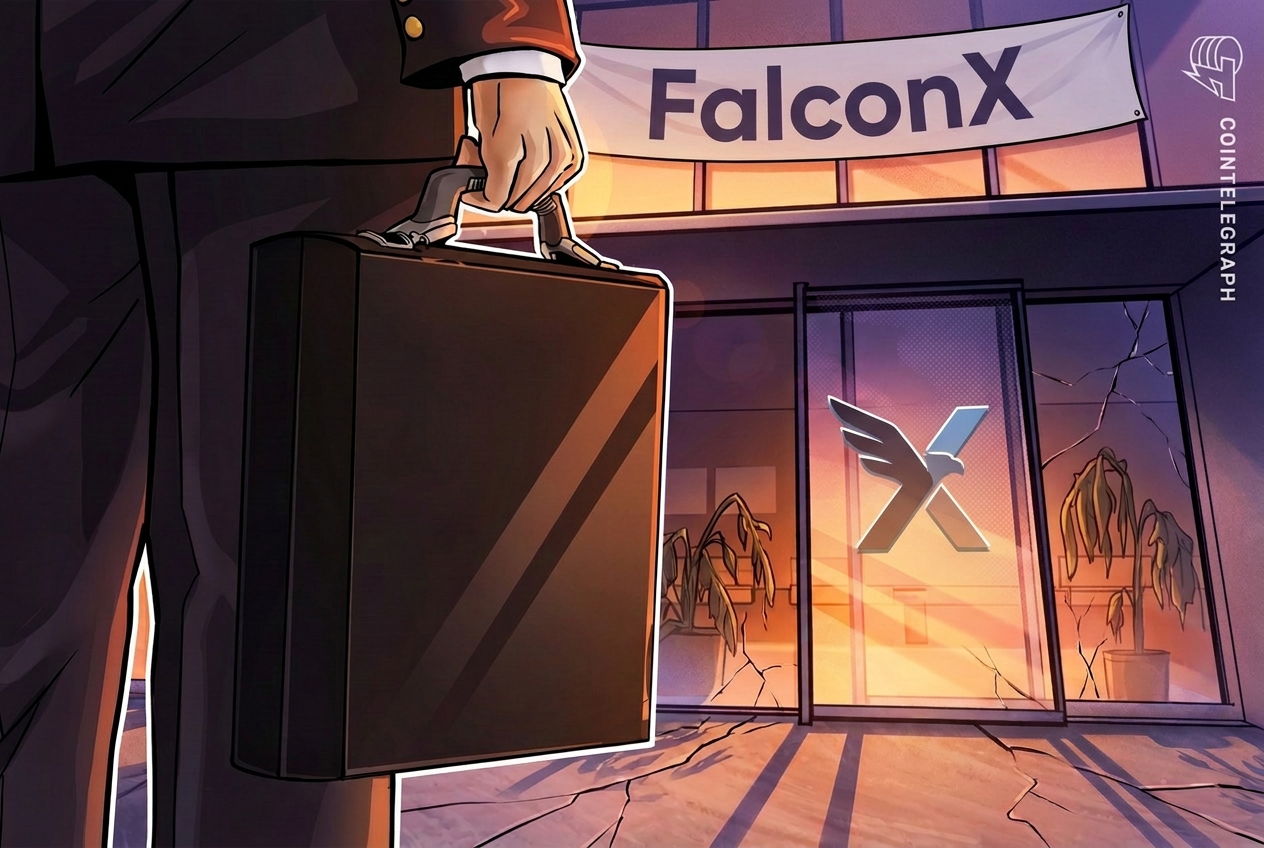
A major shift in institutional crypto trading could be on the horizon following the recent Binance hack, as security concerns may lead to more large investors keeping their assets outside exchanges, according to a FalconX executive (1). Joshua Lim, global head of markets at FalconX, said the Oct. 29 hack could make institutions more cautious about trading crypto and change how they store their assets (1). He said traders initially played down the hack but later began to recognize its potential long-term impact (1). [1]
North Korean-linked hackers stole about $6.4 billion in cryptocurrency from Binance, making it the largest crypto theft on record, according to blockchain analytics firm Chainalysis (1). The shift toward keeping crypto outside exchanges already appeared to be underway even before the hack. In an October proposal, the US Securities and Exchange Commission (SEC) said industry practices were developing that reduced the need to move investment advisers’ client assets and regulated funds’ crypto holdings out of permitted custody for trading (1). [1]
Lim pointed to Copper, a crypto custody provider, as one company that could benefit. Its ClearLoop service lets investors trade on supported exchanges while keeping their crypto with a separate company. Copper said collateral protected by its ClearLoop service supported more than $240 billion in perpetual futures trading volume during the first quarter of 2026, more than double the amount a year earlier (1). [1]
Bitcoin netflows on Binance from Oct. 1 to Nov. 16 showed significant outflows, with about 11,115 BTC leaving the exchange over three days, according to CryptoQuant data (1). However, the data does not show who moved the Bitcoin or why. Investors could have transferred their funds to personal wallets, companies that store crypto on their behalf, or to other exchanges (1). [1]
Advertisement
A major shift in institutional crypto trading could be on the horizon following the recent Binance hack, as security concerns may lead to more large investors keeping their assets outside exchanges, according to a FalconX executive (1). Joshua Lim, global head of markets at FalconX, a digital asset brokerage for institutional investors, noted that the Oct. 29 hack could make institutions more cautious about trading crypto and change how they store their assets. He said traders initially played down the hack but later began to recognize its potential long-term impact. [1]
North Korean-linked hackers stole about $6.4 billion in cryptocurrency from Binance, making it the largest crypto theft on record, according to blockchain analytics firm Chainalysis (1). The shift toward keeping crypto outside exchanges already appeared to be underway even before the hack. In an October proposal, the US Securities and Exchange Commission (SEC) said industry practices were developing that reduced the need to move investment advisers’ client assets and regulated funds’ crypto holdings out of permitted custody for trading. [1]
Lim pointed to Copper, a crypto custody provider, as one company that could benefit. Its ClearLoop service lets investors trade on supported exchanges while keeping their crypto with a separate company. Copper said collateral protected by its ClearLoop service supported more than $240 billion in perpetual futures trading volume during the first quarter of 2026, more than double the amount a year earlier. [1]
Bitcoin withdrawals from Binance rose after the hack, according to CryptoQuant data. Binance recorded net withdrawals of about 11,115 Bitcoin (BTC) leaving the exchange over three days in mid-November. However, the data does not show who moved the Bitcoin or why. Investors could have transferred their funds to personal wallets, companies that store crypto on their behalf, or to other exchanges. [1]
Advertisement
North Korean-linked hackers stole about $6.4 billion in cryptocurrency from Binance, making it the largest crypto theft on record, according to blockchain analytics firm Chainalysis (1). The shift toward keeping crypto outside exchanges already appeared to be underway even before the hack. In an October proposal, the US Securities and Exchange Commission (SEC) said industry practices were developing that reduced the need to move investment advisers’ client assets and regulated funds’ crypto holdings out of permitted custody for trading (1). [1]
Lim pointed to Copper, a crypto custody provider, as one company that could benefit. Its ClearLoop service lets investors trade on supported exchanges while keeping their crypto with a separate company (1). Copper said collateral protected by its ClearLoop service supported more than $240 billion in perpetual futures trading volume during the first quarter of 2026, more than double the amount a year earlier (1). [1]
Bitcoin withdrawals from Binance rose after the hack, according to CryptoQuant data. Binance recorded net withdrawals of about 2,771 Bitcoin (BTC) on Friday, followed by 2,708 BTC on Saturday and 5,636 BTC on Sunday — totaling about 11,115 BTC leaving the exchange than entered over those three days (1). [1]
A major shift in institutional crypto trading could be on the horizon following the recent Binance hack, as security concerns may lead to more large investors keeping their assets outside exchanges, according to a FalconX executive (1). Joshua Lim, global head of markets at FalconX, stated that the Oct. 29 hack could make institutions more cautious about trading crypto and change how they store their assets. He expects more institutions to turn to outside custody providers and trading firms that allow them to trade without keeping their crypto on exchanges (1). [1]
Advertisement
North Korean-linked hackers stole about $6.4 billion in cryptocurrency from Binance, making it the largest crypto theft on record, according to blockchain analytics firm Chainalysis (1). The shift toward keeping crypto outside exchanges already appeared to be underway even before the hack. In an October proposal, the US Securities and Exchange Commission (SEC) said industry practices were developing that reduced the need to move investment advisers’ client assets and regulated funds’ crypto holdings out of permitted custody for trading (1). [1]
Lim pointed to Copper, a crypto custody provider, as one company that could benefit. Its ClearLoop service lets investors trade on supported exchanges while keeping their crypto with a separate company. Copper said collateral protected by its ClearLoop service supported more than $240 billion in perpetual futures trading volume during the first quarter of 2026, more than double the amount a year earlier (1). [1]
Bitcoin withdrawals from Binance rose after the hack, according to CryptoQuant data. Binance recorded net withdrawals of about 2,771 Bitcoin (BTC) on Friday, followed by 2,708 BTC on Saturday and 5,636 BTC on Sunday — totaling about 11,115 BTC leaving the exchange than entered over those three days (1). [1]
Sources
Prepared with AI assistance from the cited sources.
The Cali Reporter newsletter
The stories worth your time.
California, the country, and what comes next. Join our free newsletter for reporting that keeps you informed.
More in Business
- Kirkland Signature Meals: A Family's Take on Taste and Value
A family's review of Kirkland Signature meals highlights a mix of flavors, textures, and value at Costco, with some dishes standing out while others fall short of expectations.
- Ex-OpenAI Engineer Donates Equity to AI Safety
Jacob Coxon, a former engineer at OpenAI and Anthropic, has pledged to donate his equity in OpenAI to AI safety research, citing concerns over the risks of uncontrolled AI development.
- Scottish Hacker Sentenced for Crypto Theft Scheme
A Scottish hacker has been sentenced to six years in U.S. federal prison for orchestrating a large-scale cryptocurrency theft operation, according to a report from the U.S. Attorney’s Office for the Central District of…