Billy Evans Gives Up Profit Share from Theranos Documentary
Billy Evans, a central figure in the Theranos documentary 'You Can See Everything,' has reportedly given up a profit share worth tens of millions of dollars, according to a Business Insider report.

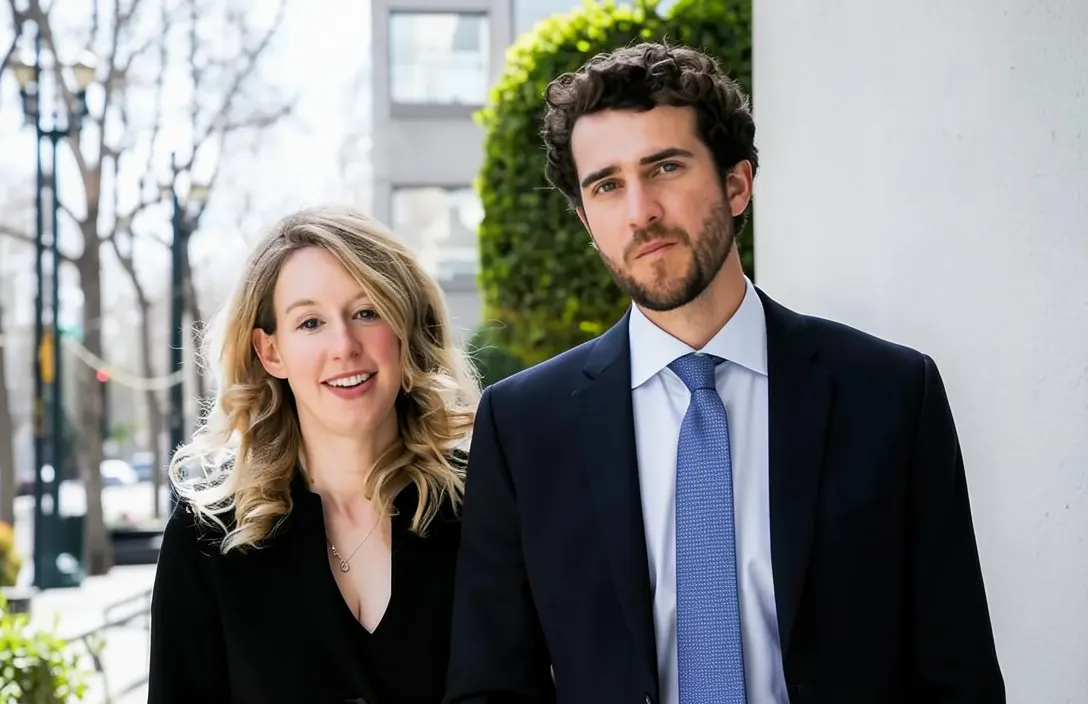
Billy Evans said he gave up a profit share worth tens of millions of dollars from the documentary 'You Can See Everything,' but declined to say where the money went. The A24-produced film, directed by Nathan Fielder and Lance Oppenheim, follows Evans' relationship with Elizabeth Holmes, the Theranos founder, in the days before she begins her prison sentence. It has grossed about $90 million at the box office on a $7 million budget (Business Insider, 1). [1]
In his first TV interview ever, with CBS News' Matt Gutman, Evans was asked why he had not taken a share of the profits. One of the film's key scenes depicts the filmmakers reluctantly negotiating a profit-sharing agreement with Evans. However, at the end, the film says that Evans gave up his right to any profits (Business Insider, 1). [1]
Evans said he earns little from working for himself running the blood-testing startup Haemanthus, and that he has spent considerable sums on childcare and legal bills. "The amount of money spent on lawyers would blow your mind," he said. That's why he thought asking for a share of profits was "reasonable," he added (Business Insider, 1). [1]
Billy Evans stated that he gave up a profit share worth tens of millions of dollars from the documentary 'You Can See Everything,' but did not specify where the money went. The A24-produced film, directed by Nathan Fielder and Lance Oppenheim, follows Evans' relationship with Elizabeth Holmes, the Theranos founder, in the days before she begins her prison sentence. The film has grossed about $90 million at the box office on a $7 million budget (Business Insider). [1]
Advertisement
In his first TV interview ever, with CBS News' Matt Gutman, Evans was asked why he had not taken a share of the profits. One of the film's key scenes depicts the filmmakers reluctantly negotiating a profit-sharing agreement with Evans. However, at the end, the film says that Evans gave up his right to any profits (Business Insider). [1]
Evans said he earns little from working for himself running the blood-testing startup Haemanthus, and that he has spent considerable sums on childcare and legal bills. "The amount of money spent on lawyers would blow your mind," he said. That's why he thought asking for a share of profits was "reasonable," he added (Business Insider). [1]
Billy Evans said he gave up a profit share worth tens of millions of dollars from the documentary 'You Can See Everything,' but declined to say where the money went. In his first TV interview ever, with CBS News' Matt Gutman, Evans was asked why he had not taken a share of the profits (Source ID 1). The A24-produced film, directed by Nathan Fielder and Lance Oppenheim, follows Evans' relationship with Elizabeth Holmes, the Theranos founder, in the days before she begins her prison sentence. It has grossed about $90 million at the box office on a $7 million budget. [1]
Evans said the profit share would be in the tens of millions of dollars, but he did not elaborate on why he gave it up. When Gutman asked whether that meant the filmmakers weren't getting the money, Evans declined to elaborate (Source ID 1). He stated that he earns little from working for himself running the blood-testing startup Haemanthus, and that he has spent considerable sums on childcare and legal bills. [1]
Advertisement
Evans said the amount of money spent on lawyers would blow people's minds, and that is why he thought asking for a share of profits was 'reasonable.' He added that the disappointing thing was that giving up the profit share was to demonstrate that this was not about the money (Source ID 1). [1]
Sources
Prepared with AI assistance from the cited sources.
The Cali Reporter newsletter
The stories worth your time.
California, the country, and what comes next. Join our free newsletter for reporting that keeps you informed.
More in Business
- Kirkland Signature Meals: A Family's Take on Taste and Value
A family's review of Kirkland Signature meals highlights a mix of flavors, textures, and value at Costco, with some dishes standing out while others fall short of expectations.
- Ex-OpenAI Engineer Donates Equity to AI Safety
Jacob Coxon, a former engineer at OpenAI and Anthropic, has pledged to donate his equity in OpenAI to AI safety research, citing concerns over the risks of uncontrolled AI development.
- Scottish Hacker Sentenced for Crypto Theft Scheme
A Scottish hacker has been sentenced to six years in U.S. federal prison for orchestrating a large-scale cryptocurrency theft operation, according to a report from the U.S. Attorney’s Office for the Central District of…