Beauty Advent Calendars Face Scrutiny Over Value and Quality
As luxury beauty advent calendars become increasingly popular, concerns over their value and quality have sparked debate among consumers and experts.

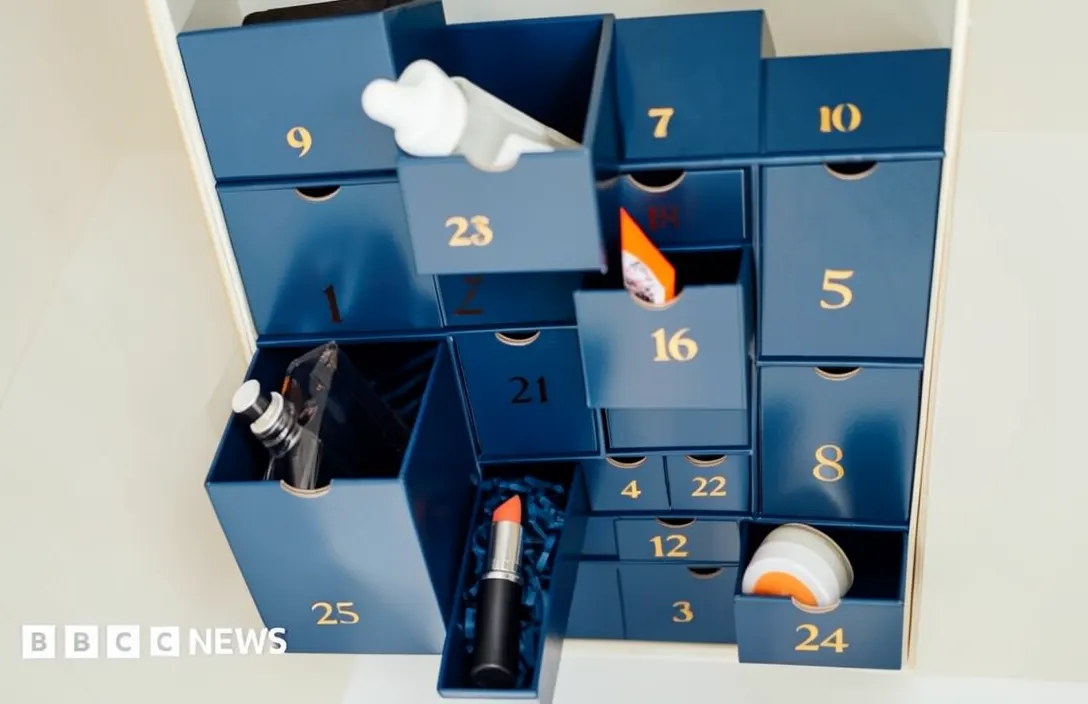

Beauty advent calendars, which often cost upwards of £100, have been a popular trend for over a decade, with marketing strategies growing more sophisticated. High-profile brands use tactics such as warning customers about limited availability to boost early demand, while influencer unboxing videos create a sense of excitement and anticipation. According to Ipsos data, around 15% of all advent calendars sold are beauty-related, with younger consumers, particularly those aged 18-34, being the most willing to spend on these products (source ID: 1). [1]
However, recent criticism has emerged following the controversy surrounding Kim Kardashian's Skims calendar, which led to refunds being offered after customers expressed disappointment with the low-quality items inside. Some consumers compared the contents, such as hair clips and keychains, to items typically found in a cluttered drawer. This has prompted a shift in consumer behavior, with many now prioritizing value for money and being more selective about what they purchase (source ID: 1). [1]
Julia, a 39-year-old senior commercial manager, highlights the importance of getting value for money, stating that she only buys beauty calendars if she likes enough of the items inside. She previously spent £160 on a fragrance calendar, managing to sell unused products for a slight profit. This approach reflects a growing trend among savvy consumers who are becoming more cautious about spending on items they may not use (source ID: 1). [1]
Despite these concerns, some experts and consumers still view beauty calendars as a way to explore new products without committing to full-size purchases. However, Heather Widdows, a beauty expert and philosophy professor at Warwick University, notes that while these calendars may offer a fun and sensuous experience, it is highly unlikely that consumers will use all the items inside, suggesting that they may not provide the best value (source ID: 1). [1]
Advertisement
The Skims calendar, produced by Kim Kardashian's beauty brand, was sold at a price of $148 (£110) and faced widespread criticism on social media for the low quality of its contents. Customers described the items inside, such as hair clips, scrunchies, and keychains, as being akin to objects found down the back of a sofa. In response to the backlash, the brand offered refunds to all customers who purchased the calendar. This incident highlights the growing scrutiny around the value and quality of luxury advent calendars in the beauty industry. [1]
Beauty advent calendars have been available for over a decade, with marketing strategies becoming increasingly sophisticated over time. High-profile brands often create a sense of urgency by warning customers that calendars may sell out quickly, prompting early purchases. Influencers also play a significant role in promoting these calendars through unboxing videos, which generate excitement and drive sales. According to Ipsos data, approximately 15% of all advent calendars sold are beauty-related, with individuals aged 18-34 being the primary buyers. [1]
Julia, a 39-year-old senior commercial manager in engineering, spent £160 on a Space NK fragrance calendar the previous year. She found that some of the fragrances included were ones she had been wanting for a while, and she was able to purchase them at a lower price than the recommended retail value. She also managed to sell the ones she did not like for a slight profit. This example illustrates how some consumers view beauty calendars as a means of obtaining good value for money, although they remain selective about the products they keep. [1]
Priya Raj, a 30-year-old fashion journalist, prefers beauty advent calendars as a way to try out different products without committing to full-size purchases. She believes that some calendars offer good value, particularly when they include items that are trending or ones she is interested in trying. For her, the benefit lies in the opportunity to sample products in the lead-up to Christmas, with the intention of purchasing them at a discount during the Boxing Day sales. [1]
Advertisement
Rhea Somaiya, a 28-year-old podcaster, acknowledges the general appeal of beauty advent calendars but expresses skepticism about many of them. She criticizes some brands for including too many menial or irrelevant items that do not add value to the consumer. This can lead to a sense of clutter and diminish the excitement of opening each calendar window, turning what should be a joyful experience into one of irritation and disappointment. [1]
Beauty advent calendars, which often cost upwards of £100, have been a popular trend for over a decade, with marketing strategies growing more sophisticated. However, recent criticism has emerged following the controversy surrounding Kim Kardashian's Skims calendar, which led to refunds being offered after customers expressed disappointment with the low-quality items inside (source ID: 1). [1]
Julia, a 39-year-old senior commercial manager, highlights the importance of getting value for money, stating that she only buys beauty calendars if she likes enough of the items inside. Despite these concerns, some experts and consumers still view beauty calendars as a way to discover new products at a discounted price (source ID: 1). [1]
Ipsos data shows that around 15% of all advent calendars sold are beauty ones, with people aged 18-34 particularly willing to splurge. However, customers are becoming more discerning, with some expressing frustration over receiving items they do not want or find useful (source ID: 1). [1]
Advertisement
The Cali Reporter newsletter
The stories worth your time.
California, the country, and what comes next. Join our free newsletter for reporting that keeps you informed.
More in World
- Irish Man Charged with Destroying U.S. Military Aircraft at Shannon Airport
A man from Ireland has been indicted for allegedly destroying a U.S. military aircraft at Shannon Airport, according to prosecutors in New York.
- Trump's APEC Summit and Strategic Meetings
President Donald Trump is set to attend the APEC summit in Shenzhen, China, where he is expected to meet with Chinese President Xi Jinping and participate in a trilateral meeting with Russian President Vladimir Putin,…
- Early Snowfall in Northern England and Scotland
Snowfall occurred in parts of Northern England and southern Scotland, with subsequent melting due to milder temperatures, according to the BBC.