Baroness Cass Expresses Concerns Over Draft Conversion Practices Bill
Baroness Cass, the author of the independent review into gender identity services for young people, has expressed concerns over the current draft bill banning conversion practices, despite previously supporting the…

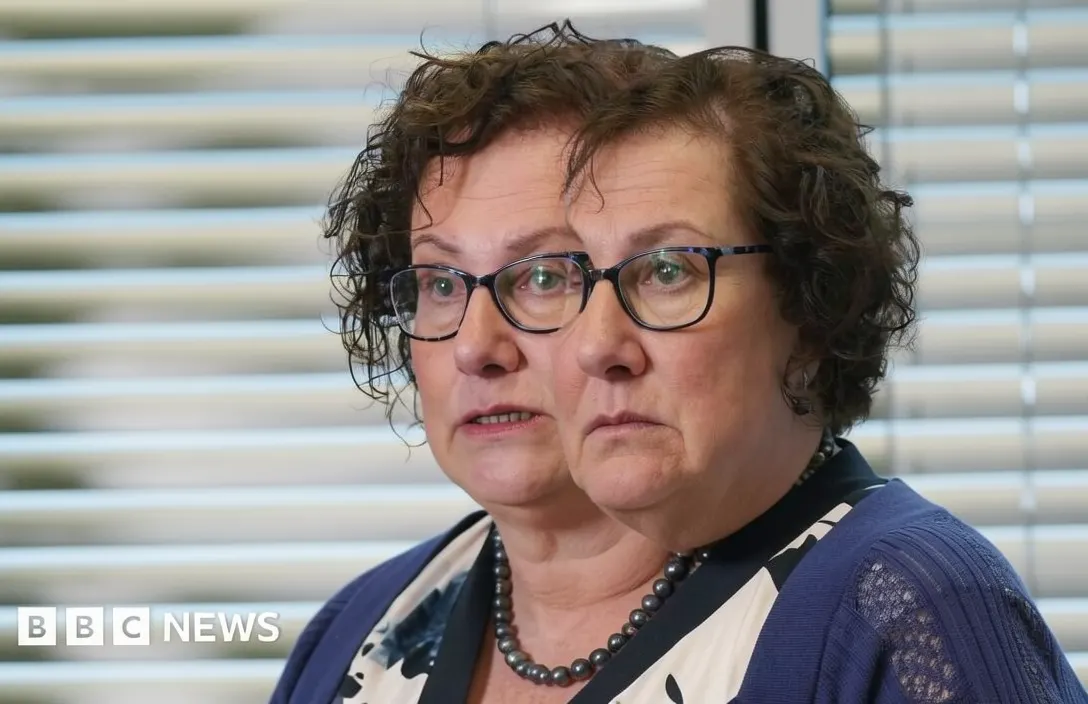

Baroness Cass has stated that she does not support the current draft bill banning conversion practices, despite having previously welcomed the idea. She told BBC Radio 4's Today programme that while it is 'desirable' to ban the practices, 'the challenge is that we have not yet as far as I can see got a workable bill' (source ID: 1). [1]
At a parliamentary committee scrutinising the bill, Baroness Cass warned that the current wording of the bill could lead to 'serious unintended consequences' for parents of children suffering gender distress and medical professionals working in that area (source ID: 1). She emphasized that the current wording of the bill requires the victim to suffer 'serious harm to the individual's physical or mental health, or serious alarm or distress to the individual which has a substantial adverse effect on their usual day-to-day activities' (source ID: 1). [1]
Baroness Cass raised concerns that the current wording of the bill may allow for 'vexatious' complaints that could put therapists working with young gender-distressed people at risk of prosecution. She noted that 'therapeutic interactions can be distressing and often are because you're discussing quite sensitive issues' (source ID: 1). [1]
Baroness Cass has stated that she does not support the current draft bill banning conversion practices, despite having previously welcomed the idea (source ID: 1). At a parliamentary committee scrutinising the bill, Baroness Cass warned that the current wording of the bill could lead to 'serious unintended consequences' for parents of children suffering gender distress and medical professionals working in that area (source ID: 1). [1]
Advertisement
Baroness Cass raised concerns that the current wording of the bill may allow for 'vexatious' complaints that could put therapists working with young gender-distressed people at risk of prosecution (source ID: 1). She explained that therapeutic interactions can be distressing and often are because they involve sensitive issues (source ID: 1). [1]
Baroness Cass said that professionals working at the new NHS Gender Dysphoria Clinics were concerned that even complaints processes that didn't result in a prosecution could be damaging (source ID: 1). The problem, she said, is the 'chilling effect' of professionals knowing that they may be open to complaint, and indeed prosecution (source ID: 1). [1]
Baroness Cass has stated that she does not support the current draft bill banning conversion practices, despite having previously welcomed the idea (source ID: 1). At a parliamentary committee scrutinising the bill, Baroness Cass warned that the current wording of the bill could lead to 'serious unintended consequences' for parents of children suffering gender distress and medical professionals working in that area (source ID: 1). She emphasized that while it is 'desirable' to ban conversion practices, the current formulation of the bill may not be workable and could result in harmful outcomes. [1]
Baroness Cass raised concerns that the current wording of the bill may allow for 'vexatious' complaints that could put therapists working with young gender-distressed people at risk of prosecution (source ID: 1). She explained that therapeutic interactions can be distressing and that even appropriate interventions might be misinterpreted as poor professional practice. This could lead to damaging consequences for professionals, even if no prosecution occurs (source ID: 1). [1]
Advertisement
Baroness Cass also highlighted concerns about the potential impact of the bill on families, noting that actions such as a parent stopping a child's money if they suspected it might be used to purchase a 'breast binder or hormones' could fall within the scope of the bill and result in prosecution (source ID: 1). She reiterated that she still considers conversion practices 'abhorrent' and wants a bill that protects the intended victims without entrapment of others (source ID: 1). [1]
Baroness Cass has stated that she does not support the current draft bill banning conversion practices, despite having previously welcomed the idea. At a parliamentary committee scrutinising the bill, Baroness Cass warned that the current wording of the bill could lead to 'serious unintended consequences' for parents of children suffering gender distress and medical professionals working in that area (source ID: 1). [1]
Baroness Cass raised concerns that the current wording of the bill may allow for 'vexatious' complaints that could put therapists working with young gender-distressed people at risk of prosecution. She noted that therapeutic interactions can be distressing and often are because they involve sensitive topics (source ID: 1). [1]
Baroness Cass said that professionals working at the new NHS Gender Dysphoria Clinics were concerned that even complaints processes that didn't result in a prosecution could be damaging. The problem, she explained, is the chilling effect of professionals knowing that they may be open to complaint, and indeed prosecution (source ID: 1). [1]
Advertisement
The Cali Reporter newsletter
The stories worth your time.
California, the country, and what comes next. Join our free newsletter for reporting that keeps you informed.
More in World
- Irish Man Charged with Destroying U.S. Military Aircraft at Shannon Airport
A man from Ireland has been indicted for allegedly destroying a U.S. military aircraft at Shannon Airport, according to prosecutors in New York.
- Trump's APEC Summit and Strategic Meetings
President Donald Trump is set to attend the APEC summit in Shenzhen, China, where he is expected to meet with Chinese President Xi Jinping and participate in a trilateral meeting with Russian President Vladimir Putin,…
- Early Snowfall in Northern England and Scotland
Snowfall occurred in parts of Northern England and southern Scotland, with subsequent melting due to milder temperatures, according to the BBC.