Bahrain Puts Hormuz Threat Before the Security Council as Strait Traffic Stays Deeply Depressed
The Security Council met at Bahrain's request to weigh maritime security threats, UN News reports, with Hormuz transits about 65 per cent below pre-war levels and the Pakistan-mediated ceasefire having lapsed in August without a deal.

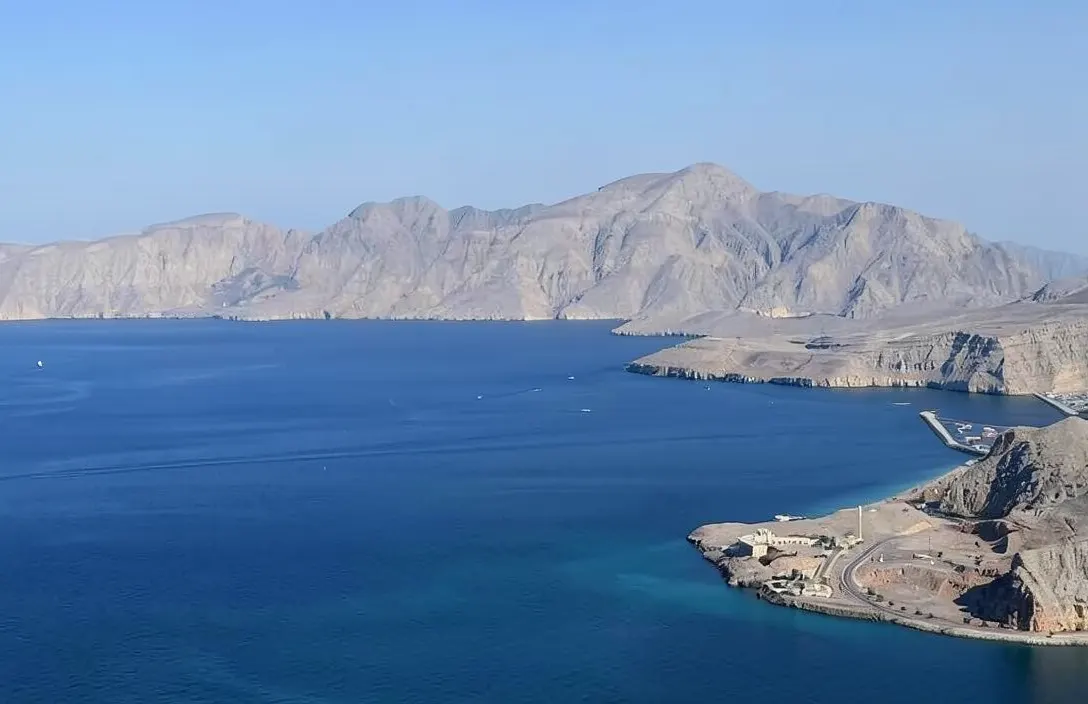
The UN Security Council convened on 13 November 2026 in response to a request from Bahrain, taking up dangers to regional and maritime security, according to UN News. The outlet portrayed the Gulf as balanced between calm and renewed confrontation roughly nine months after Israeli and US strikes on Iran set off a wider war, with attacks on vessels increasing and diplomacy so far unable to lock in an agreement. A separate UN press summary confirms the Bahrain-triggered meeting on Middle East tensions, recording that Gulf States faulted Iran and its Houthi allies for strikes on their territory and regional waterways. The supplied excerpts do not describe a decision or formal outcome from the session, so anything beyond discussion is unestablished in the available evidence. [1] [3]
In the UN News account, Iran has effectively shut the Strait of Hormuz, a waterway that handled a fifth of global oil before the fighting; ship attacks are climbing; and efforts to prevent renewed full-scale conflict have not yet yielded a settlement. The meeting thus sits where maritime security meets broader war risk. The request came from Bahrain, one Gulf state among several, which presents the session as a regional initiative rather than a standing Council item. The allegations implicating Iran and the Houthis are attributed by the UN press summary to Gulf States and are not independently verified findings in the supplied material. [1] [3]
Surrounding the session, the same UN press summary records ordinary Council business: renewal of the Abyei mission's mandate through 15 November 2027, and a 12-month renewal of Yemen-related travel-ban and asset-freeze measures paired with a 13-month extension for the associated Panel of Experts. Nothing in the evidence ties those items to the Hormuz dispute; they show the routine tempo of Council work around an unusual regional meeting. [3]
UN News laid out the sequence: fighting erupted on 28 February, after which Iran hit US military assets and other targets across six Gulf States and Jordan; in March the Council approved resolution 2817, condemning Iran's attacks and the dangers it posed to navigation, with China and Russia abstaining. That abstention means the condemnation was never unanimous, and the resolution stands as the diplomatic baseline against which November's session should be read, showing the Council had already addressed the navigation threat months before Bahrain came forward. [1]
Advertisement
A 60-day US-Iran truce brokered by Pakistan in June expired in August without a peace agreement, UN News reported, and efforts to head off a return to all-out conflict have not produced one. The Council therefore met during a gap after a temporary arrangement collapsed, not during a settlement. The supplied evidence does not describe the truce's terms, its monitoring, the reasons it lapsed, or whether the mediation has been sustained since August; those details would be needed to gauge the distance the parties have traveled since June. [1]
On the water, UN News reported that Hormuz transits stand roughly 65 per cent beneath pre-conflict levels, citing UK Maritime Trade Operations, and that October brought the most incidents since the war began. Traffic through the Bab al-Mandab Strait is down by about a quarter since the Houthis declared a blockade on Saudi-linked shipping in July. These are the only quantitative maritime indicators in the evidence; they capture reported transit levels and incident trends, not independently audited statistics, and the material supplies no absolute tonnage, vessel counts or baseline year behind the percentages. [1]
A separate UN News item reported that southern Lebanon stays volatile and extremely hard for communities seeking to rebuild, even after a notable decline in hostilities following a June agreement among the United States, Lebanon and Israel, with UN peacekeepers based there reporting on the situation. The supplied evidence does not tie that item to the Hormuz dispute; it belongs to the same regional period as a distinct development. Nor does it establish whether the June Lebanon agreement and the June US-Iran truce were coordinated, so no link should be inferred from shared timing. [2]
Hormuz matters here because UN News says the strait handled a fifth of global oil before the conflict and is now effectively closed. The reported 65 per cent transit decline, credited to UK Maritime Trade Operations, gives a numerical measure of the shipping falloff. The supplied evidence offers no oil price data, export volumes, insurance costs, rerouting figures, alternative pipeline capacity or humanitarian effects, so those consequences cannot be quantified. The one-fifth-of-world-oil figure should be attributed to UN News rather than treated as an independently verified share. [1]
Advertisement
The Bab al-Mandab indicator adds a second pressure point. UN News reported that transits there have fallen by about a quarter since the Houthis declared a blockade on Saudi-linked shipping in July. The evidence does not specify how the blockade is enforced, which vessels are caught up, what share of regional trade the strait carries, or how the roughly quarter decline was measured. It does establish that, in the UN News account, the maritime threat is not confined to Hormuz and that Houthi action is part of the wider picture put before the Council, which is why Bahrain's request covered regional and maritime security rather than one waterway. [1]
Resolution 2817 is the clearest legal-political marker in the record: UN News says the March text condemned Iran's attacks and its threats to navigation, with China and Russia abstaining. The November session, requested by Bahrain and framed around Gulf States' allegations against Iran and its Houthi allies, shows regional states returning the threat to the Council months later. The evidence does not say whether the meeting generated a draft text, a presidential statement, a sanctions measure or any follow-up mechanism, nor whether the March abstentions were revisited in November. [1] [3]
Several basic questions remain unanswered. UN News described the Council as meeting and directed readers to a live feed, while the UN press summary said the Council met at Bahrain's request; the supplied excerpts do not describe a decision, a vote or a presidential statement. It is therefore unknown whether members floated a resolution, whether China or Russia shifted position, whether Iran responded to the session, or whether the meeting closed with any agreed statement. The gap between a debate and a formal Council action is central to whether the UN response carries operational weight beyond the public record. [1] [3]
Another open question concerns the relationship between the March resolution and the November session. Resolution 2817 condemned Iran's attacks and threats to navigation, with China and Russia abstaining, per UN News; the November meeting was requested by Bahrain and framed around maritime threats, per the UN press summary. The evidence does not say whether members treated the earlier resolution as sufficient, weighed new measures, or read the abstentions as a durable split among permanent members. Nor does it say whether Bahrain coordinated its request with other Gulf States before approaching the Council. Those are questions, not findings. [1] [3]
Advertisement
The evidentiary status of the central claims also needs care. UN News attributes the transit figures to UK Maritime Trade Operations. The blame directed at Iran and the Houthis is attributed to Gulf States in a UN press summary. This article cannot independently verify either the shipping data or the allegations from the supplied evidence, and no casualty figures, damage assessments or incident-by-incident accounting are provided for the war or the shipping attacks. The October incident trend is described only as the most since the war began, without a number, and the 65 per cent and roughly quarter declines are approximate as reported. [1] [3]
The diplomatic path is equally unresolved. UN News says the 60-day US-Iran truce brokered by Pakistan in June expired in August without a peace deal, and that attempts to prevent renewed all-out conflict have not produced one. Whether the parties can restore that truce, widen it to cover maritime incidents or agree deconfliction arrangements for shipping is not answered by the evidence. Because the war's opening sequence included Iranian strikes on US military assets and other targets in six Gulf States and Jordan, per UN News, any new understanding would also have to address the security of those host-state facilities, but the supplied material gives no indication of how that might be handled. [1]
The first thing to watch is whether the Security Council follows the 13 November meeting with a formal product; the supplied record contains no indication of one. A resolution, presidential statement or new sanctions measure would be a concrete sign of Council engagement, while silence or a procedural wrap-up would suggest the session remained declaratory. Also worth watching is whether China and Russia maintain the abstention posture they took on resolution 2817 or whether the November discussion changes the diplomatic alignment described by UN News. Either outcome would appear in a later Council record the supplied evidence does not yet contain. [1] [3]
The second set of indicators is maritime. UK Maritime Trade Operations data, as cited by UN News, will show whether Hormuz transits remain about 65 per cent below pre-conflict levels or move in either direction. Incident reports will show whether October's reported high continues into November or eases. The Bab al-Mandab figure will show whether the roughly quarter decline since the Houthi blockade declaration deepens. These are indicators to monitor, not forecasts; the evidence does not predict the next data, and the descent from pre-conflict levels could stabilize, worsen or reverse without contradicting anything reported so far. [1]
Advertisement
The third is diplomacy. UN News says the Pakistan-mediated truce expired without a peace deal, so any resumption of mediation, new US-Iran contact or Gulf-brokered arrangement would be significant, as would public statements from Iran, the United States and Gulf governments responding to the session and any explanation from Bahrain of what it sought. The supplied evidence includes none of these. Until they appear, the meeting's effect on the conflict remains an open question rather than a demonstrated shift. One unverified scenario is that the session mainly keeps the issue on the Council's agenda; another is that it precedes a push for new measures. Neither can be confirmed from the available text. [1] [3]
AI-assistance disclosure: This article was produced with AI assistance using only the supplied UN sources and is not a substitute for independent reporting. [1] [2] [3]
Editorial note: This article is sourced. Some claims are awaiting further verification.
Sources
Prepared with AI assistance from the cited sources.
The Cali Reporter newsletter
The stories worth your time.
California, the country, and what comes next. Join our free newsletter for reporting that keeps you informed.
More in World
- Former Hamas Bodyguard Convicted in UK Knife Attack
A former Hamas bodyguard, Mohammed Alfatih, has been found guilty of a knife attack on a bailiff outside his UK home, according to a report by the BBC.
- Woman Survives Near-Fatal Reaction to Unlicensed Weight-Loss Injection
A woman from Birkenhead narrowly avoided death after suffering severe hypoglycaemia from an unlicensed weight-loss injection, highlighting the dangers of black market drugs.
- US Air Force Responds to Drone Activity at UK Base
The US Air Force has confirmed it responded to suspected unauthorized drone activity at RAF Lakenheath in Suffolk, though no damage or injuries were reported. The incident has raised concerns about security at US…