Auckland's DiNa Test: A Voice Coach for the Months Between Diabetes Visits
A 10-person, three-month trial asks whether easier tracking and conversation can help people with type 2 diabetes stick with plans made with clinicians. It is not a cure.

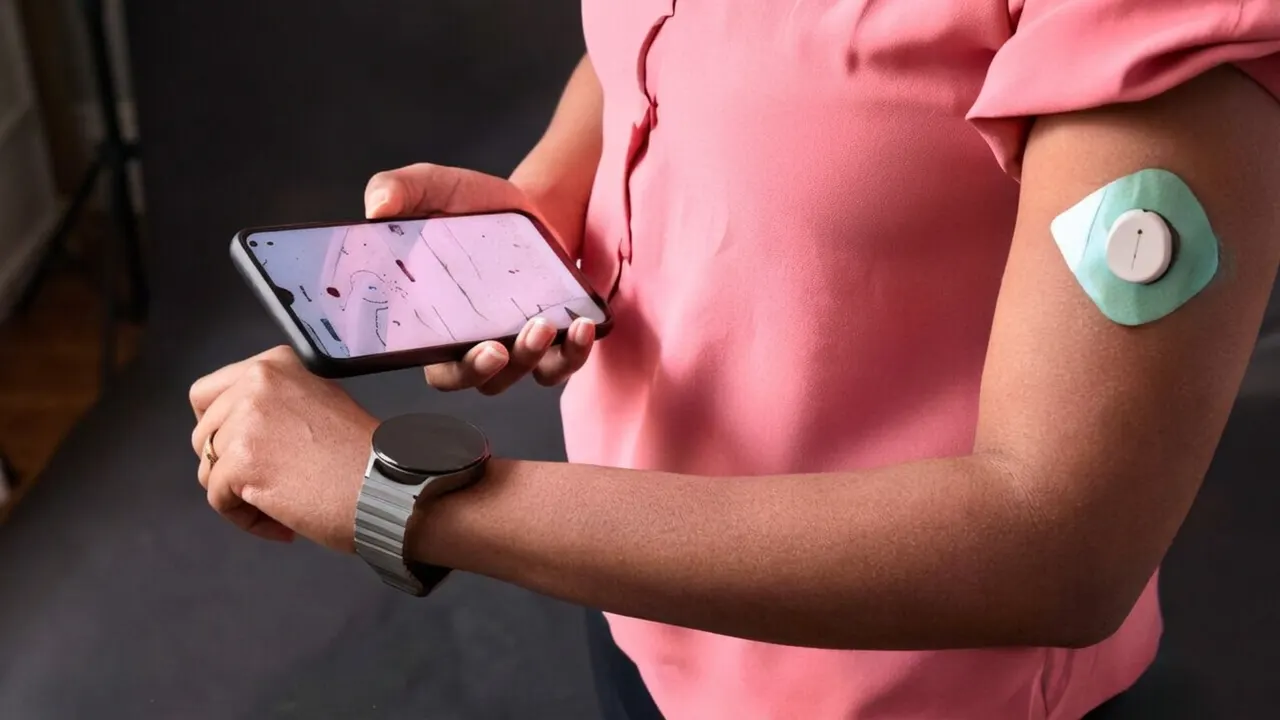

On Nov. 13, 2026, Medical Xpress reported that researchers at the Auckland Bioengineering Institute at Waipapa Taumata Rau, University of Auckland, are testing an AI health coach called DiNa. Ten people with type 2 diabetes are being followed for three months. Half use DiNa; half use an existing diabetes-management tool, so the study can compare the two. Dr. Gonzalo Maso Talou leads the work, which includes Ph.D. student Kekayan Nanthakumar and sits within ABI's wider digital twin program. [1]
The goal is narrowly framed, and that is a strength. Maso Talou says DiNa is not about curing diabetes. The project is trying to raise the odds that someone follows the treatment plan they built with a clinician. Type 2 diabetes often calls for long-term changes to eating, exercise and medication. It can also advance without loud signals. A missed pill or a skipped walk may not produce an immediate consequence, which makes it easy for good intentions to slide under work, family and daily pressure. [1]
DiNa is meant to fill the space between appointments. Maso Talou notes that months can pass between visits, and questions or doubts often arise in that gap. The coach is designed to help people better understand their condition and the advice they already have. It is not a clinician substitute. Its material is assembled for New Zealand settings with clinical partners, and it sends users to a health professional when a question calls for clinical judgment, according to the report. [1]
The report supplies a concrete backdrop. Health New Zealand's Virtual Diabetes Register counted more than 365,000 people with diabetes in Aotearoa in 2025. That total is up by over two-fifths from 2011. Māori, Pacific and Indian communities carry a heavier share of the burden, the report says. Those figures do not prove DiNa works. They do explain why low-friction support between visits is worth a careful test rather than a shrug. [1]
Advertisement
The historical evidence here is limited to that register count, the reported rise since 2011 and the equity note. The report does not offer a policy history, a review of earlier digital diabetes tools or a breakdown of outcomes by community. What it supports is a plain context: diabetes is common in New Zealand, the counted population has grown, and some groups face a heavier load. Any tool that claims to support adherence should be measured against that setting, not just against whether its interface feels pleasant. [1]
DiNa pulls from several streams: food logs, pill-taking check-ins, movement data from phones and wearables, and continuous glucose monitors. The design aim is to lower the effort of monitoring. A user can photograph a meal, and artificial intelligence identifies foods and estimates calories, carbs, protein and related nutrition. Missing details can be added or corrected by voice. Maso Talou says this cuts much of the manual food-diary grind, which takes time and is often forgotten or abandoned. [1]
Exercise data can come from devices people already carry or wear. A quick check-in records whether a dose was taken. The least dramatic feature may be the most useful: fewer hand-entered numbers and fewer holes. The report does not claim that photo-based meal estimates are exact. It presents them as a convenience meant to keep tracking from becoming another chore. That is a modest promise, but an honest one. [1]
The most unusual part is conversation. DiNa uses a voice-only interface. Early prototypes showed talking heads on screen, but Maso Talou says participants did not necessarily take to them. Many preferred speech alone, which felt less demanding and more natural. That is a design lesson from early testing, not a clinical result. It does suggest the team is paying attention to how the tool fits into a real day, not just how it looks in a demo. [1]
Advertisement
In practice, DiNa might help someone find a workable exercise slot, name obstacles, revise a plan when the week derails, offer encouragement on good days and help troubleshoot bad ones. Its information comes from New Zealand diabetes material prepared with clinical partners, and it points people back to care teams when clinical advice is needed, Maso Talou says. The coach is not built to replace those teams. It is built to keep the plan alive between them. [1]
Early participants have responded positively, according to the report. Maso Talou says one of the first things people mentioned was how much easier monitoring had become. Many already knew how to track food and medication. They valued a lighter workload and the chance to get on with their lives. That is an early signal from a very small study, not proof of better glucose control, better adherence or better quality of life. [1]
The food side deserves both interest and a home cook's skepticism. A photograph can capture a plate, but a stew, a family recipe or a dish built from leftovers is not a nutrition label. The report says DiNa estimates calories, carbs, protein and other values, and that users can correct gaps by voice. It does not claim laboratory accuracy. The practical test is whether the estimate is good enough to keep someone logging, correcting and thinking about meals. For ordinary weeknight cooking, that is the right standard: not perfection, but enough usefulness that dinner does not become data entry. If the tool turns a simple meal into a chore, it will be abandoned. [1]
Researchers are also working toward personalized digital twins. These are computer models that simulate how one person's body reacts to food, exercise and medication. Early versions can model glucose responses from carbohydrate, fat and protein information. The report describes future possibilities, not services available now. A person might weigh two dinners against each other and see which looks more likely to push glucose upward. A coach might suggest recipes from a user's glucose levels and ingredients already in the kitchen. A user might explore how a meal change affects blood sugar. [1]
Advertisement
The case for personalization rests on biological variation. Identical meals do not produce identical responses; sex, metabolism, activity and other physiological differences matter, Maso Talou says. The digital twin is meant to move advice closer to the individual. Researchers believe it could become an educational tool that helps people see how their own bodies respond and make informed choices. That is a forecast and a hope, not a demonstrated outcome. The report does not show that DiNa improves glucose control, adherence or quality of life. [1]
The first limit is size. Ten participants over three months, with half using DiNa, can reveal early engagement and usability. It cannot establish clinical benefit. The current study opens a three-round trial sequence; bigger studies are due next year. Until results are reported, effectiveness claims should stay cautious. DiNa is not a cure, not a replacement for clinicians and not yet a proven adherence intervention. [1]
The report gives no numerical results from the current trial, such as changes in glucose, adherence scores or participant retention. It describes early positive responses only in general terms. That leaves the public with a clear rationale and a small study design, but not an answer. Larger trials would need to show whether the coach changes daily behavior, not just whether participants enjoy talking to it. [1]
Several questions remain open. Will people keep using DiNa after the novelty fades? Will a voice interface work for different accents, hearing needs and levels of comfort with technology? Will clinicians have time to review the data it collects? Will the tool reach the communities carrying a heavier diabetes burden, or could it widen gaps? How will meal-photo estimates handle mixed dishes, home recipes and foods that are hard to identify? The report does not answer these questions. [1]
Advertisement
There is also the meaning of adherence. The trial compares DiNa with an existing diabetes-management tool, a useful design, but the report does not detail that tool or the outcome measures. The core question is whether personalized, ongoing support helps people maintain healthy habits more effectively. The answer will depend on daily behavior. The report also does not discuss data privacy, security or retention. For a system drawing on meals, medication, activity and glucose data, those are questions to settle before any wider rollout. [1]
The next watch points are concrete. Larger studies are planned for next year, and trial data will help researchers refine the digital twin. If results are positive, the team hopes DiNa could eventually be integrated into health care systems and made widely available. That is a conditional hope, not a promised outcome. Watch whether larger trials report adherence and engagement results, whether meal predictions prove useful, and whether health systems show real interest in integration. [1]
For now, DiNa tests a practical idea: people with type 2 diabetes often know what to do, but consistency between appointments is hard. Photographed meals, wearable data and voice conversation are not a cure. They may matter if they reduce friction in ordinary life. Maso Talou's stated aim is durable habits and continued connection to care. Whether DiNa delivers that will be decided by evidence, not by the polish of its interface. [1]
Sources
Prepared with AI assistance from the cited sources.
The Cali Reporter newsletter
The stories worth your time.
California, the country, and what comes next. Join our free newsletter for reporting that keeps you informed.
More in Health & Medicine
- Brain Energy Mismatches in Schizophrenia
A new study explores the potential role of energy bottlenecks in brain cells in explaining fragmented experiences of time, space, and self in schizophrenia.
- Brazil Reports First Mpox Death in 2026
Brazil has recorded its first mpox-related death in 2026, but public health officials are not classifying the current surge in cases as an outbreak, according to the Fiocruz Institute.
- Personalized Therapies for IBD May Target Specific Harmful Gut Bacteria
A study led by Dr. Lukas Mager and Prof. Kathy McCoy has identified two gut bacteria that promote inflammation in inflammatory bowel disease, opening the door for personalized treatments.