Artistic Tribute to ICE Detainees Who Died in Custody
An ongoing art project at UCSB AD&A Museum highlights the names of detainees who died in ICE custody, emphasizing the human toll of immigration enforcement.

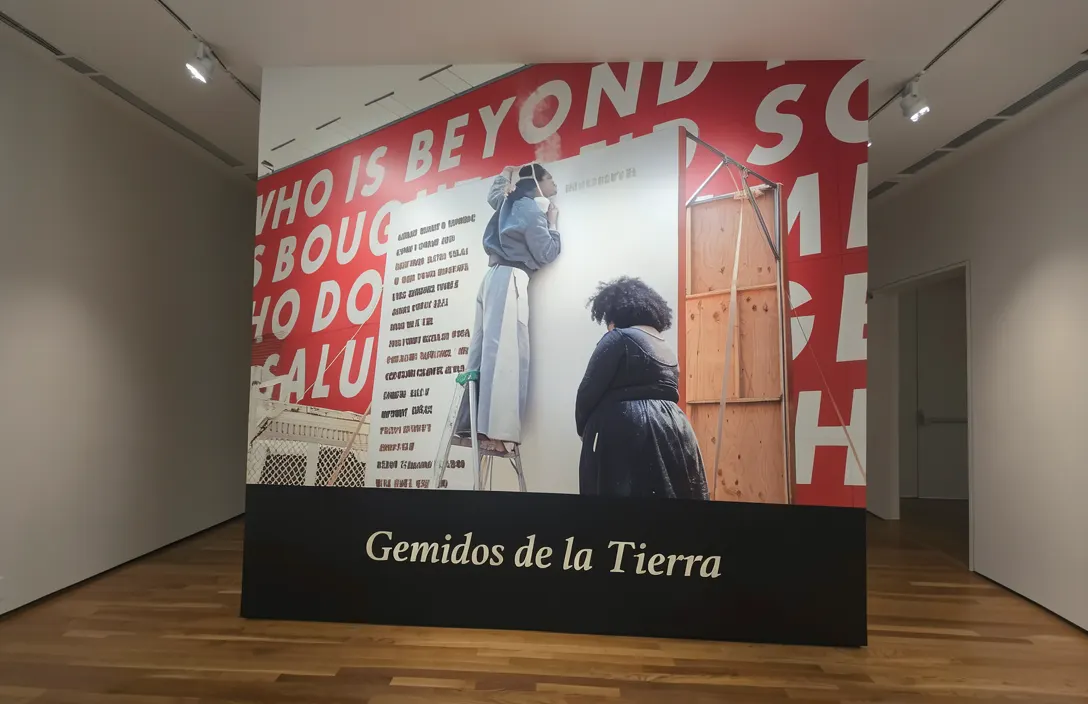

Los Angeles-based artist Jackie Amézquita's project 'Gemidos de la Tierra' is an ongoing tribute to detainees who died in ICE custody, with the names of 241 individuals listed as of the exhibition's current iteration (source ID 1). The artwork serves as both a wailing wall and a name-filled memorial, reflecting the socio-ecological and activist themes explored in the exhibition. The project began in 2020 and continues to evolve, with the artist emphasizing the importance of honoring the humanity of those whose lives have been reduced to statistics (source ID 1). [1]
The materials used in the artwork are deeply symbolic, with names cast from soil drawn from the state of each person's death, mixed with masa, salt, and rainwater (source ID 1). The frames of the panels are made of copper, with corn painted on the surface, reflecting cultural and ancestral connections. These materials are integral to the artist’s mission of honoring the individuals represented in the work (source ID 1). [1]
As part of the project, public 'activations' have taken place, bringing the panels outside of traditional art institutions and into the public sphere. These events include parades with large panels displayed on trucks through Los Angeles, including near an actual detention center (source ID 1). The project is described as a living altar and a public record, offering a stark contrast to the bureaucratic erasure of lives within carceral systems (source ID 1). [1]
The exhibition also includes ancillary displays, such as altar-like pieces made of soil, clay, shell, and stone, as well as ancient artifacts dating back to 100 BCE. These elements serve as a reminder of the antiquity of the continent and the Mesoamerican region, long before the Europeanization of the Americas and the rise of ICE as a source of terror and death (source ID 1). [1]
Advertisement
Los Angeles-based artist Jackie Amézquita's project 'Gemidos de la Tierra' is an ongoing tribute to detainees who died in ICE custody, with the names of 241 individuals listed as of the exhibition's current iteration (source ID 1). The project, which began in 2020 and continues to evolve, is described as a 'wailing wall mixed with the concept of a name-filled memorial,' serving as a testament to those who have died while in ICE custody and detention centers. The exhibition is part of a larger curatorial focus at the UCSB AD&A Museum, highlighting the socio-ecological themes in Amézquita's work and its connection to broader issues of justice and memory. [1]
The materials used in the artwork are deeply symbolic, with names cast from soil drawn from the state of each person's death, mixed with masa, salt, and rainwater (source ID 1). The frames of the large panels containing the names are made of copper, with corn painted into the surface, emphasizing the cultural and ancestral connections of the individuals honored. These materials are chosen to reflect the artist's mission to create a memorial that is not only visually striking but also rooted in the traditions and histories of those being remembered. [1]
As part of the project, public 'activations' have taken place, bringing the panels outside of traditional art institutions and into the public sphere (source ID 1). In 2023, for example, large panels were displayed on panel trucks around Los Angeles, including near MacArthur Park and an actual detention center. These activations aim to challenge the boundaries of art and bring the issue of ICE-related deaths directly into the public consciousness, making the memorial a living and evolving record of ongoing injustice. [1]
Los Angeles-based artist Jackie Amézquita's project 'Gemidos de la Tierra' is an ongoing tribute to detainees who died in ICE custody, with the names of 241 individuals listed as of the exhibition's current iteration (source ID 1). The artwork is displayed at the UCSB AD&A Museum, where it serves as a memorial and a public record of those who have died in ICE detention centers (source ID 1). The project, which began in 2020, is described as a 'wailing wall mixed with the concept of a name-filled memorial' and is part of a broader effort to 'honor the humanity of people whose lives have been reduced to statistics' (source ID 1). [1]
Advertisement
The materials used in the artwork are deeply symbolic, with names cast from soil drawn from the state of each person's death, mixed with masa, salt, and rainwater (source ID 1). The frames of the large panels containing the names are made of copper, with corn painted into the surface, reflecting the cultural and ancestral connections of the individuals being honored (source ID 1). As part of the project, public 'activations' have taken place, bringing the panels outside of traditional art institutions and into the public sphere (source ID 1). These events have included carting large panels around cities, including Los Angeles and Inglewood, to raise awareness and draw attention to the ongoing issue of deaths in ICE custody (source ID 1). [1]
The exhibition also includes ancillary displays, such as altar-like pieces made of soil, clay, shell, and stone, which serve as a reminder of the antiquity of the continent and the Mesoamerican area (source ID 1). These displays highlight the historical and cultural context of the land, emphasizing the long-standing presence of indigenous peoples before the Europeanization of the Americas (source ID 1). The project is described as a 'living altar' and a 'public record,' emphasizing its role as both an artistic tribute and a call to accountability for the deaths that have occurred in ICE custody (source ID 1). [1]
As part of the 'Gemidos de la Tierra' project, public 'activations' have taken place, bringing the panels outside of traditional art institutions and into the public sphere (source ID 1). These events aim to expand the reach of the memorial beyond museum walls, making the issue of deaths in ICE custody more visible and accessible to the general public. [1]
In 2023, in Los Angeles, a ceremony was followed by carting large panels in plain view on panel trucks around the city, including MacArthur and an actual detention center (source ID 1). These activations were designed to draw attention to the ongoing crisis and to place the memorial directly in the context of the problem it seeks to address. [1]
Advertisement
Another 'activation' took place in Inglewood, and again outside of the AD&A Museum on November 1 (source ID 1). These events continue the project's mission of making the memorial a living, evolving record that reflects the ongoing nature of the issue it highlights. [1]
Sources
Prepared with AI assistance from the cited sources.
The Cali Reporter newsletter
The stories worth your time.
California, the country, and what comes next. Join our free newsletter for reporting that keeps you informed.
More in Santa Barbara
- New Hibachi Food Trailer Launches in Santa Barbara
A new hibachi food trailer has opened in Santa Barbara, offering a unique take on traditional hibachi cuisine with a variety of creative dishes.
- Goleta's Finest 2026 Award Recipients Honored for Community Impact
The Santa Barbara South Coast Chamber of Commerce has announced the recipients of the 2026 Goleta’s Finest Community Awards, recognizing individuals and organizations that have made a positive impact on Goleta over the…
- Santa Barbara's Historic La Arcada Plaza for Sale
The historic La Arcada Plaza in Santa Barbara is being sold for the first time since the 1970s, according to a listing by Hayes Commercial Group.