Apple's HomeView Smart Display Relies Heavily on iPhone for Functionality
Apple's new HomeView smart display depends on an iPhone or iPad for personalization and privacy, according to a report from Engadget.

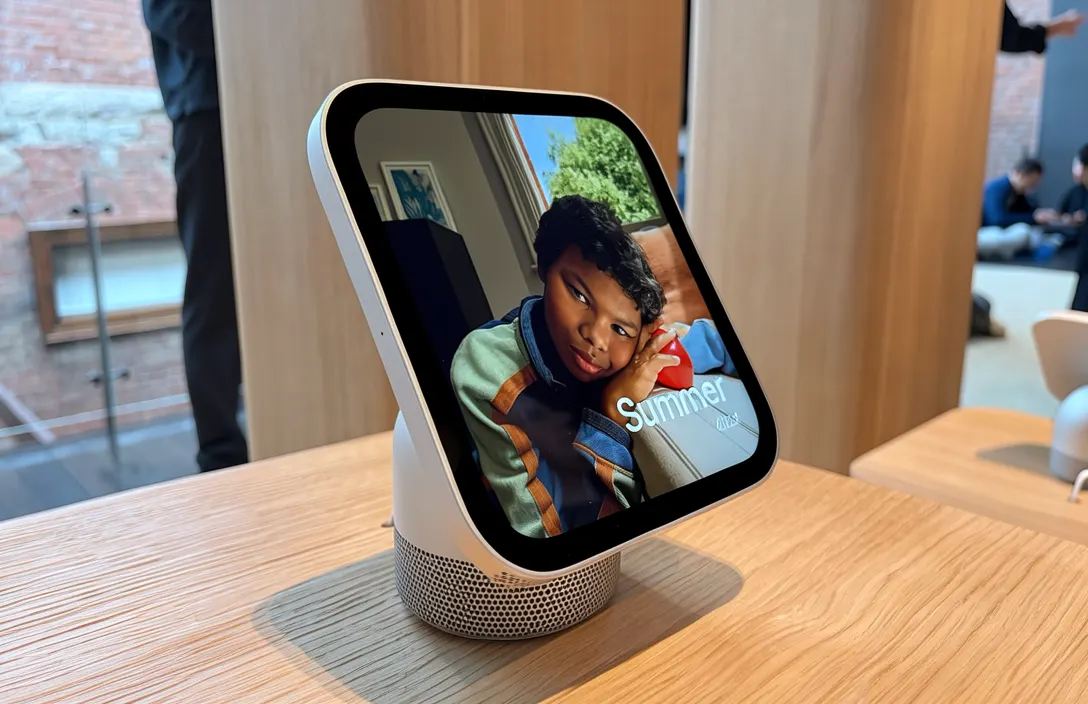
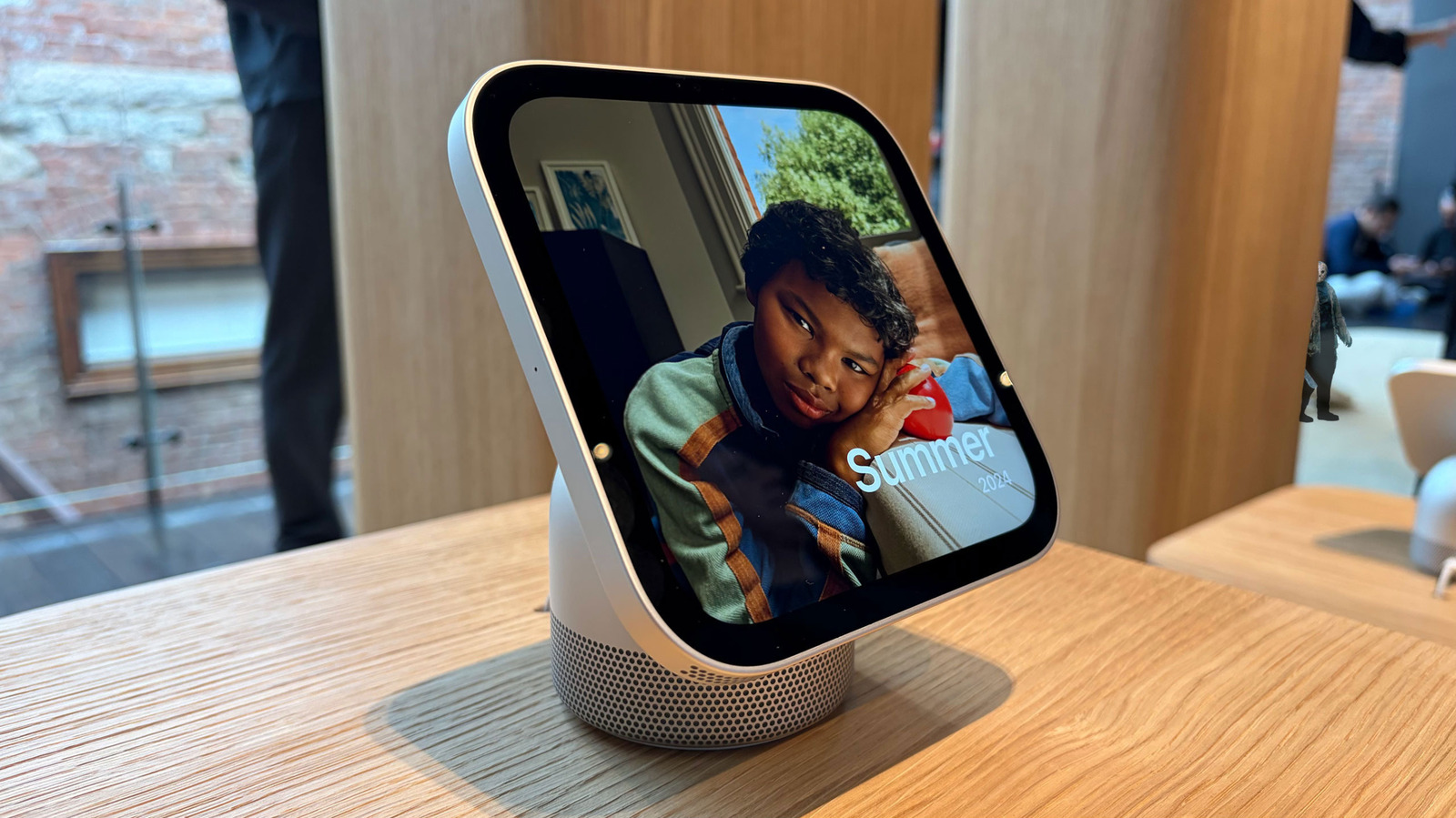
Apple's HomeView smart display is designed to work closely with iPhones and iPads, leveraging the personal data and apps already on those devices to provide a more intelligent and private experience. According to Engadget, Apple CEO John Ternus emphasized that the iPhone is the best-designed intelligent personal hub, and this philosophy is central to the HomeView's functionality. The device mirrors apps from the user's iPhone or iPad, allowing it to act as a visual interface, smart speaker, and home hub without running its own apps. This approach ensures that personal information remains secure and only accessible when the user is present and their iPhone is nearby (source ID: 1). [1]
The HomeView relies on the iPhone or iPad not only for accessing apps but also for maintaining privacy. Apple's Home product marketing team member Cecilia Dantas explained that the device is designed to be intelligent, personal, and private. The HomeView uses face and voice recognition to display personal information only when the user is recognized and their iPhone is nearby. This ensures that sensitive data, such as messages or calendar invites, is not visible to other household members or when the user is away (source ID: 1). [1]
Apple's approach to the HomeView includes a focus on simplicity and familiar interaction methods. The device lacks physical buttons, relying instead on voice commands and touch input as secondary features. VP of hardware engineering Matthew Costello stated that the HomeView was designed to be voice-first, which influenced the decision to eliminate physical controls. The product development team also faced the challenge of selecting which features from existing Apple devices to include, ensuring the HomeView delivers a powerful yet simple experience (source ID: 1). [1]
The HomeView was officially announced during an event led by Apple's newly appointed CEO, John Ternus, marking its debut as a long-rumored smart display. The device is described as a multifunctional hub that combines the roles of a visual interface, smart speaker, smart home hub, sous chef, FaceTime station, and digital photo frame. It was released this week following its initial announcement last month, according to Engadget (source: https://www.engadget.com/2315338/why-apples-homeview-relies-so-heavily-on-your-iphone/). [1]
Advertisement
The HomeView is designed to be used in conjunction with an iPhone or iPad, which must be nearby and recently unlocked for the device to access personalized data such as Messages, Calendar, and Reminders. This integration ensures that personal information is only displayed when the user is recognized by the HomeView's built-in face and voice recognition systems, and the paired iPhone or iPad is present. This approach enhances privacy by ensuring that data is not stored on the HomeView itself but is instead accessed in real time from the user's phone (source: https://www.engadget.com/2315338/why-apples-homeview-relies-so-heavily-on-your-iphone/). [1]
The device is engineered without physical buttons, relying instead on voice commands as the primary method of interaction, with touch input serving as a secondary option. This design philosophy was intentionally chosen to create a seamless and intuitive user experience, according to Matthew Costello, VP of hardware engineering at Apple. The absence of buttons aligns with Apple's broader vision of simplifying interactions with technology (source: https://www.engadget.com/2315338/why-apples-homeview-relies-so-heavily-on-your-iphone/). [1]
The HomeView is positioned as part of Apple's broader ecosystem, which includes other devices such as the iPhone, iPad, and HomePod. The device enables features like hand-off for music, FaceTime calls, and recipe integration in Safari, all of which require the presence of an iPhone or iPad. Cecilia Dantas, a member of Apple's Home product marketing team, emphasized that this reliance on existing Apple devices is not a limitation but rather a strategic component of the HomeView's design (source: https://www.engadget.com/2315338/why-apples-homeview-relies-so-heavily-on-your-iphone/). [1]
Apple's HomeView is a smart display that was officially announced in the current year, with its release marking a significant step in Apple's home product lineup. The device is designed to function as a multifunctional hub, integrating features such as a visual interface, smart speaker, smart home control center, sous chef assistant, and a FaceTime station. It also serves as a digital photo frame. The HomeView does not operate with its own set of apps; instead, it mirrors the apps already installed on an iPhone or iPad. This integration is similar to how CarPlay functions in an automobile, allowing the HomeView to display compatible apps from the user's phone or tablet, as well as Apple's core applications like Calendar, Messages, Reminders, and Weather. This feature necessitates the presence of an iPhone or iPad near the HomeView for it to function effectively. [1]
Advertisement
The HomeView was developed with a focus on three key principles: intelligence, personalization, and privacy. According to Cecilia Dantas, a member of Apple's Home product marketing team, these principles were central to the design process. The HomeView's reliance on an iPhone or iPad is primarily to ensure that personal data remains secure and private. The device uses face and voice recognition to identify users, and only when a user is recognized and their paired iPhone or iPad is nearby and recently unlocked will the HomeView display personal information such as Messages or Calendar. This design ensures that private data is not stored on the HomeView itself but is instead accessed in real time from the user's phone. [1]
The HomeView is designed to be a communal device that functions for every member of a household. However, it is also designed to respect user privacy by limiting access to personal information. For example, if a user is not recognized by the HomeView, they will only be able to perform basic tasks. Even for recognized users, the HomeView requires the presence of a recently unlocked iPhone or iPad to display more personal content. This approach ensures that private data is only accessible to the user when they are physically present and authenticated. Matthew Costello, VP of hardware engineering at Apple, emphasized that the HomeView provides a balance between personal information and the convenience of a shared device. The device's design ensures that personal information is only shown when the user is interacting with it and disappears when they step away. [1]
The HomeView does not include any physical buttons, a design choice that was intentional according to Matthew Costello. The device was envisioned as a voice-first, touch-second interface, eliminating the need for physical controls. This approach aligns with Apple's broader strategy of creating intuitive, user-friendly experiences that rely on familiar interaction methods. The HomeView's design also reflects the company's focus on simplicity and restraint, as noted by Cecilia Dantas. During the development phase, the engineering team had to make deliberate decisions about which features from Apple's existing devices and services to incorporate into the HomeView and which to leave out. The goal was to deliver a powerful yet simple user experience that aligns with Apple's existing ecosystem. This approach ensures that the HomeView feels like a natural extension of the iPhone or iPad, leveraging the familiar apps and interaction methods that users are already accustomed to. [1]
Sources
Prepared with AI assistance from the cited sources.
The Cali Reporter newsletter
The stories worth your time.
California, the country, and what comes next. Join our free newsletter for reporting that keeps you informed.
More in Technology
- Google Play's Closed Testing Requirements and the Importance of Feedback
Google Play's closed testing rule emphasizes the need for developers to gather meaningful feedback from testers, not just track app installs. This approach ensures that real user experiences are evaluated and addressed…
- World Diabetes Day 2026 Focuses on Early Diagnosis and Awareness
The 2026 World Diabetes Day campaign emphasizes the importance of early diagnosis, equitable access to care, and reducing diabetes stigma, according to the WHO. The theme 'Early action on diabetes' highlights the need…
- Understanding Memory Usage on Linux VPS
This article explains how to accurately interpret memory usage on a Linux VPS, focusing on the importance of the 'available' metric and the potential pitfalls of relying on the 'free' column.