

Amazon cloud outage at North Virginia data center largely resolved
Amazon's Virginia data center overheated again, knocking out Coinbase and CME trading just months after a similar failure exposed the fragility of AI-driven infrastructure.
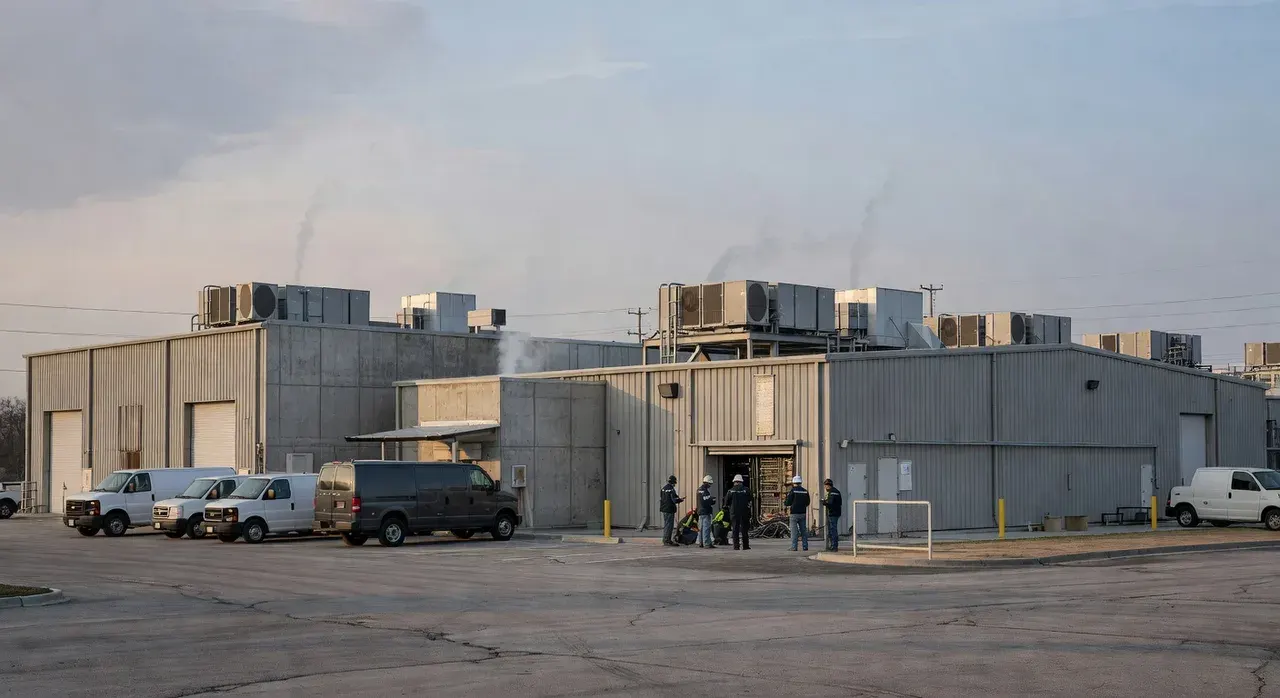
Amazon Web Services largely restored operations Friday after a sudden temperature spike at a single northern Virginia data center cut power and disrupted cryptocurrency exchange Coinbase along with derivatives giant CME Group. The company admitted it was taking longer than expected to bring additional cooling capacity online safely, even after shifting traffic away from the affected Availability Zone.
This marks the second major overheating incident in recent months. Last November, CME Group endured one of its longest outages in years after a cooling failure at CyrusOne data centers. Thursday’s spike pushed outage reports on Downdetector from a peak of nearly 600 to just 54 by 7:27 a.m. ET Friday, yet full recovery was still projected to take several more hours.
The root problem is no mystery. Advanced AI and cloud servers consume massive power and emit intense heat, forcing operators to rely on water or specialized coolants thousands of times more efficient than air cooling. Amazon’s own update conceded the new capacity was coming slower than planned, revealing how even the largest cloud provider struggles to keep pace with its own infrastructure demands.

Coinbase confirmed its services were back online. CME stated it had completed “essential maintenance work” and users could now log into its CME Direct platform, though it offered no explanation tying the disruption to AWS. Neither company responded immediately to requests for comment. The episode follows Amazon’s major October outage that crippled Snapchat, Reddit and thousands of other sites, the largest internet disruption since the 2024 CrowdStrike meltdown.
Each incident underscores the same uncomfortable truth: the world’s most critical digital systems remain one cooling failure away from chaos. As data centers race to support exploding AI workloads, repeated overheating events at elite facilities suggest the cooling technologies being deployed still cannot guarantee uninterrupted service for the financial and internet platforms that depend on them.
What happens the next time a single Availability Zone overheats under even heavier AI loads is the question nobody at AWS or its biggest customers seems eager to answer out loud.
Original reporting: The Times of India.
More in Business
- IMF Chief Warns of Economic Divergence and Debt Risks Amid Artificial Intelligence Boom
Kristalina Georgieva suggests that while AI could significantly boost global growth, it simultaneously threatens to widen inequality and exacerbate inflationary pressures and public debt burdens.
- California Limits Utility Profits and Expands Home Energy Role
Gov. Gavin Newsom signed laws capping utility returns on lower-risk projects and accelerating virtual power plant development.
- Lyft to Pay $272.5 Million in Record California Wage-Theft Settlement
Largest such settlement in state history resolves claims that Lyft misclassified drivers as independent contractors from 2016 to 2020, denying them core wage protections.