

Half a Million More Seats: How Alaska Airlines is Transforming Paine Field into a California Gateway
Seattle's northern gateway expands deep into California with massive seat increases

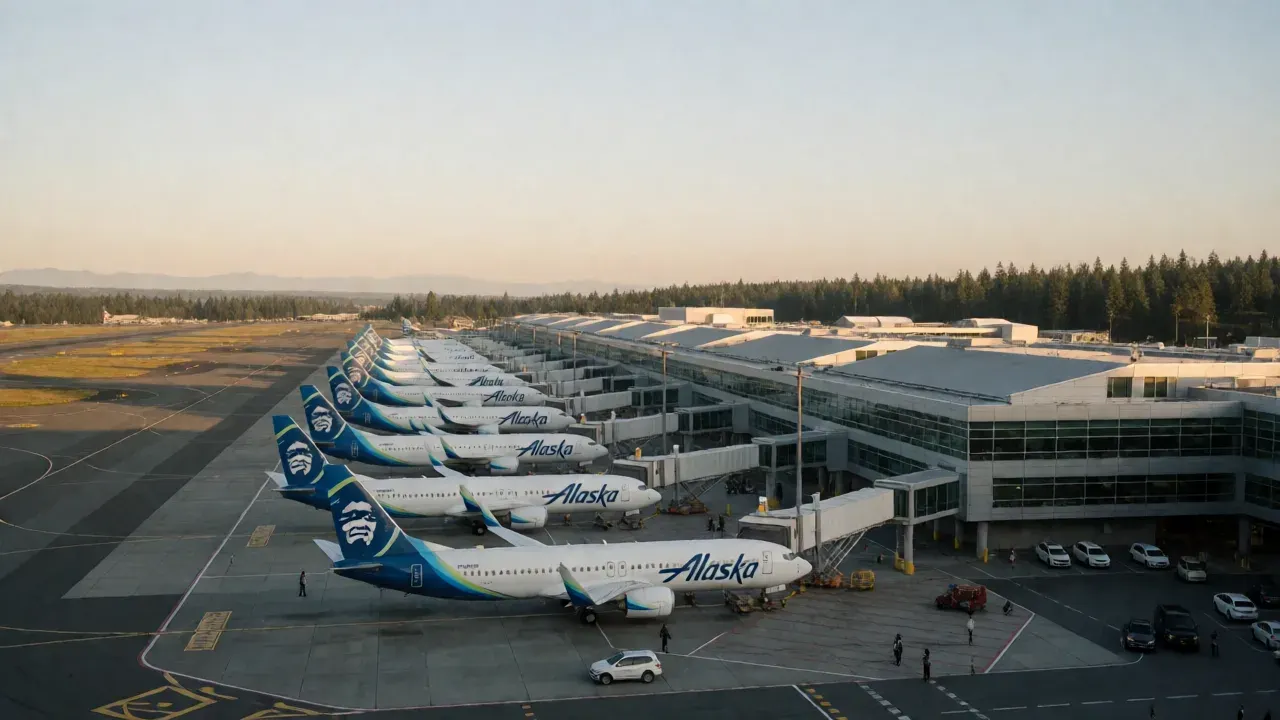
From the mist of the Puget Sound to the tech hubs of the South Bay, the arteries of the American West are pulsating with new life. For years, the narrative has been about California consuming the West, but the reality is a complex interplay of water, land, and growth that reaches far beyond state borders. The latest move by Alaska Airlines at Paine Field in Everett represents a profound shift in how the Pacific Northwest connects to its southern neighbors. By boosting capacity at this northern gateway by half, the airline is not just selling tickets but redefining the geography of travel across the region. This expansion touches the heart of Silicon Valley and the sprawling beaches of Southern California, proving that the West is a cohesive ecosystem rather than a collection of isolated points.
The centerpiece of this expansion is the return of a critical link to the innovation capital of the world. Commencing on April 14, 2027, Alaska will once again fly the route connecting Paine Field to San José Mineta International Airport. This specific corridor, known as SJC, sits in the heart of Silicon Valley and serves as the preferred airport for travelers in the southern Bay Area. The airline will operate two daily flights on an Embraer E175, offering 76 seats per flight. This route was last active in 2019 and 2020, making its return a significant milestone in the airport's history. For the thousands of tech workers and investors who call this region home, this new connection offers a vital path northward through the Cascades.
Beyond the Valley, the reach of this expansion extends to the major economic engines of the Southwest and Northwest. Alaska is significantly enhancing its presence at Los Angeles International Airport and Portland International Airport. By adding a second daily flight from Paine Field, the carrier is accommodating the surging demand for cross-border movement. Furthermore, a strategic change is coming to the Los Angeles route. Starting next spring, the service will shift entirely to Boeing 737s from the smaller E175s. This switch represents an at least 63 percent increase in seating capacity per flight, allowing the airline to move more people between the Pacific Northwest and the West Coast hub of California. This level of capacity is essential for the volume of commerce and leisure travel that defines these major corridors.

The transformation extends southward to San Diego as well. Aviation analytics firm Cirium schedules indicate that the daily flight to San Diego International Airport will undergo a significant operational change on November 1. The aircraft will shift from the smaller E175 to a Boeing 737. While a definitive timeline has not been announced for the San Francisco routes, the potential for similar upgrades looms large. This broad spectrum of changes, from the Embraer to the Boeing Max, demonstrates a calculated effort to modernize the network and meet the rigorous demands of West Coast travelers. It is a testament to the adaptability required to navigate the complex regulatory and logistical landscape of modern air travel.
Why does the carrier choose Paine Field for this aggressive growth? The answer lies in the deep roots of the Atmos Rewards program and the competitive dynamics of the region. Paine Field is an important part of our Puget Sound network, giving guests a simpler, more convenient way to access Alaska's West Coast flying. As the hometown carrier grows, it is fortifying its position as the ubiquitous choice for residents in the area. This strategy also provides a distinct advantage in a market dominated by a massive competitor. Delta Air Lines operates a dominant hub at Seattle-Tacoma International Airport but has yet to serve Paine Field. In contrast, Alaska Airlines is about twice the size of Delta at the primary SEA airport, giving it a logistical edge and a wider array of options for passengers.
To understand the necessity of this growth, one must look at the physical constraints facing the region's main airport. Seattle-Tacoma International Airport is currently constrained with limited room to grow. The recently completed Concourse C Expansion takes advantage of the only viable option for adding square footage: going up. A similar vertical expansion plan is in place for the South Satellite. While a proposed north terminal is currently being studied, industry experts predict it will not open until the early to mid-2030s. This reality creates a vacuum of capacity that Paine Field is smartly filling, offering a vital alternative for travelers and relieving pressure on the main facility.
The history of Paine Field is as colorful as its current outlook. While Alaska Airlines remains the sole carrier operating there today, the airport has seen other giants pass through its gates. Frontier Airlines served the airport briefly in 2025, and United Airlines operated there from 2019 through 2021. These shifts highlight the volatile nature of regional aviation. However, the current trajectory suggests a stabilization and a flourishing under the stewardship of Alaska. As the carrier emphasizes, the goal is to strengthen its presence across the region and provide guests with a superior travel experience. The return of the PAE-SJC route is particularly poignant, linking a growing technological hub in the north with the historic hub of Silicon Valley.
Paine Field is an important part of our Puget Sound network, giving guests a simpler, more convenient way to access Alaska's West Coast flying, said Andrew Harrison, the chief commercial officer of Alaska, in a statement. This sentiment captures the essence of the expansion. It is about connection, convenience, and the enduring spirit of the West. By doubling down on routes to California and Oregon, Alaska is ensuring that the airways between the mountains and the ocean remain open and vibrant. As the West continues to evolve, the relationship between its physical geography and its travel infrastructure will remain a critical topic for anyone watching the region's development.
First reported by The Points Guy.
More in West Coast
- Portland Public Schools Faces Intense Opposition Over Proposed Facility Closures
Community members, educators, and board members expressed significant frustration during a recent meeting regarding a plan to consolidate buildings and programs to address declining enrollment.
- Portland’s Bike Buses Offer Relief from I-5 Disruptions
Weekly group bike rides, expanded during the I-5 southbound closure, are drawing commuters seeking community, safety and a more enjoyable alternative to gridlock.
- Why You Might Not Need Cable to See the Washington Huskies Smash the Minnesota Gophers This Saturday Night
Seattle hosts the Huskies in a Big Ten matchup you can stream on FOX for free this weekend.