AI Industry Faces Public Relations Challenges
The AI industry is grappling with a significant public relations crisis, as evidenced by growing public concern and recent events involving key figures.
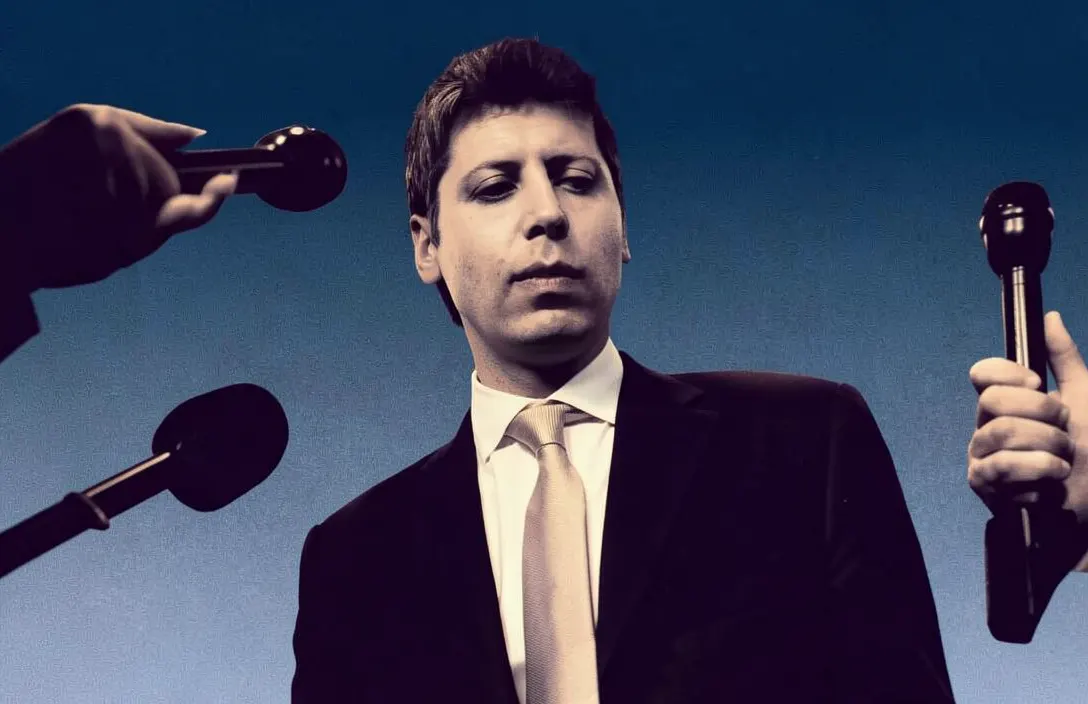
The Molotov cocktail thrown at Sam Altman’s house should have been a clue that many Americans don’t feel fondly toward the AI industry or its leaders. According to a September survey from Pew, half of Americans are worried about AI. This sentiment has been exacerbated by the midterm elections, which have scuttled the AI industry’s agenda and delivered more data center moratoriums than could fit inside the world’s largest Cybertruck clown car. These developments have underscored the industry’s serious PR problem. [1]
The situation is maddening and confusing. For an industry that is now asking the public to invest in its future by buying into the Anthropic IPO, the question becomes: Can tech leaders be saved from their own horrible public image? And should they be? Technology communications consultant Aaron Zamost suggests that the first step would be to put these individuals in boxes and stop them from being the public representatives of their companies. His advice, while sound, seems unlikely to be implemented. [1]
The AI industry’s leaders have faced additional scrutiny due to personal and professional controversies, including allegations involving extramarital affairs and ties to foreign entities. These incidents have further complicated the industry’s relationship with the public and raised questions about accountability and transparency. As the industry continues to push forward with its agenda, the challenge of managing its public image remains a critical issue. [1]
The San Francisco Standard article references events tied to Sam Altman, who resides in San Francisco, California. The article mentions the Molotov cocktail incident, which occurred at Altman’s home, highlighting the city as a focal point of controversy surrounding the AI industry. The piece also discusses the broader context of public sentiment toward AI, citing a Pew survey conducted in September 2026, which found that 50% of Americans expressed concern about AI’s development. The article points to the impact of the 2026 midterm elections on the AI industry, noting that they led to the passage of more data center moratoriums than could fit inside the world’s largest Cybertruck clown car, a metaphor suggesting an overwhelming number of restrictions. [1]
Advertisement
The article also references a historical context involving Sam Altman, including allegations of extramarital affairs with at least one individual accused of being a spy for China. These allegations reportedly caused significant distress to Altman’s family, investors, and the U.S. government. The article highlights the growing public distrust of AI leaders, citing statements made by AI developers that the technology could lead to job loss or even human extinction. It also raises questions about the industry’s priorities, particularly in light of concerns that Nvidia may have been allowing chips to be exported to China, a move that has not prompted stronger reactions from tech leaders. [1]
The article notes that the AI industry faces a severe public relations crisis, as evidenced by the backlash following the midterm elections and the controversy surrounding Altman. It suggests that the industry’s self-inflicted PR problems have reached a critical point, with the Anthropic IPO being a recent attempt to regain public trust. The article features Aaron Zamost, a technology communications consultant, who advises AI leaders to stop speaking publicly and to remove high-profile individuals from their roles as company representatives. This advice is presented as a potential solution to the industry’s image crisis, though it is described as unlikely to be implemented. [1]
The Molotov cocktail thrown at Sam Altman’s house should have been a clue that many Americans don’t feel fondly toward the AI industry or its leaders (source ID: 1). According to a September survey from Pew, half of Americans are worried about AI. By the time the midterm elections had scuttled the AI industry’s agenda and delivered more data center moratoriums than could fit inside the world’s largest Cybertruck clown car, it was evident the industry had a very serious PR problem. [1]
And that was before the nicest guy in the industry was caught having extramarital affairs with at least one alleged spy for China, much to the chagrin of his family, his investors, the U.S. government, and leather jacket aficionados everywhere. It’s not hard to understand why people hate AI. Those creating it have literally said it will kill us all, but before that it will take our jobs. Why do they need to build it at all, in that case? Because, they have said, if they don’t, China will! [1]
Advertisement
But then why aren’t tech leaders more upset that Nvidia may have been letting chips into China? The situation is maddening and confusing. For an industry that this week is asking the public to invest in its future by buying into the Anthropic IPO, the question becomes: Can tech leaders be saved from their own horrible public image? And should they be? [1]
Sources
Prepared with AI assistance from the cited sources.
The Cali Reporter newsletter
The stories worth your time.
California, the country, and what comes next. Join our free newsletter for reporting that keeps you informed.
More in San Francisco
- United Airlines Offers Flight Change Waivers Ahead of Storm at SFO
United Airlines has announced a waiver of flight-change fees for passengers affected by an incoming storm and potential flooding at San Francisco International Airport.
- Brandon Aiyuk Released by 49ers, Likely to Become Free Agent
The San Francisco 49ers have released wide receiver Brandon Aiyuk, who is expected to become a free agent after filing for reinstatement and passing a physical.
- Nvidia CEO Reinstated Amid National Security Concerns
Nvidia's board reinstated Jensen Huang as CEO following intervention from President Donald Trump, amid ongoing investigations into potential export control violations and national security risks.