AI in German Classrooms and Its Impact on Learning
The use of AI tools in German secondary schools has raised concerns among educators and students alike, with evidence suggesting a link between AI use and lower academic performance.

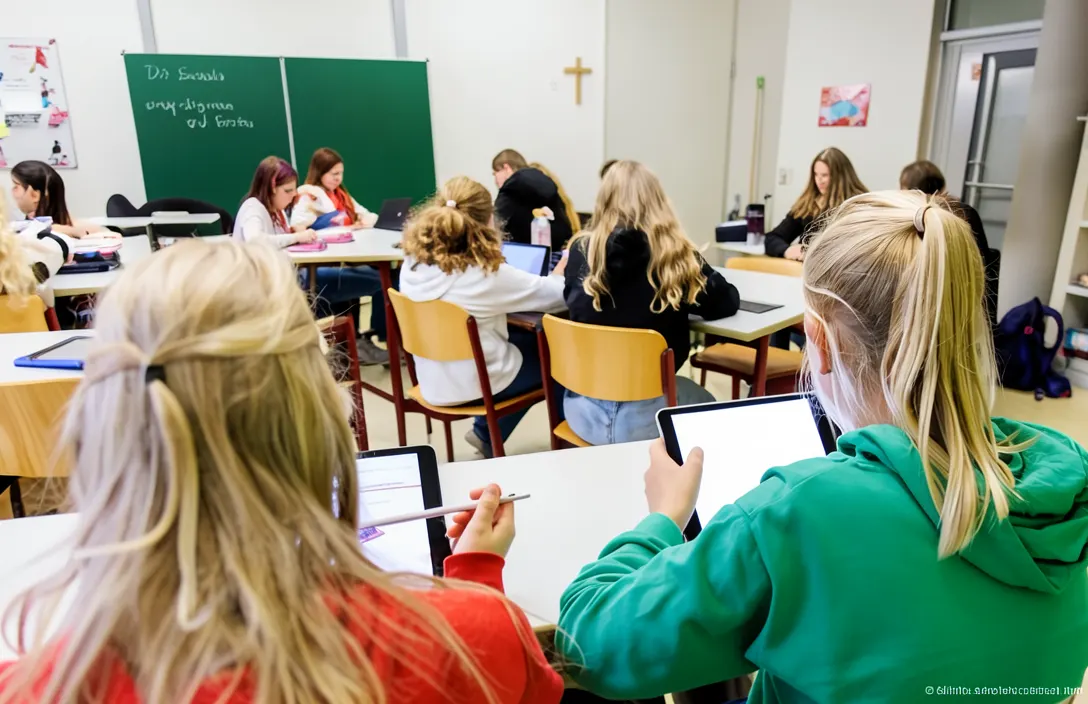
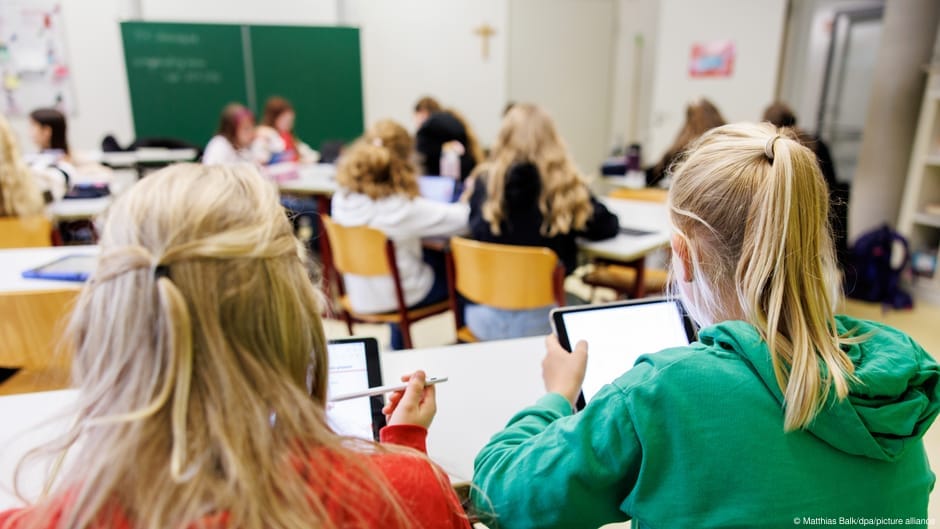
Jakob, a 15-year-old student at a German gymnasium, has been using AI tools for homework for over two and a half years. He admitted to using ChatGPT to review French test topics and emphasized that AI assistance is often sought only when students are 'really stuck' (source ID: 1). This reflects a broader trend where AI tools are being used across subjects such as math, German, English, chemistry, and physics, with solutions available at the click of a button. However, this reliance on AI is raising concerns among educators about the implications for student learning and critical thinking. [1]
German teacher Franziska Müller, who has taught for several decades, expressed concerns about students' decreasing ability to think independently. She noted that some students rely on AI to summarize texts and even read out AI-generated answers during class, fearing that this dependence is diminishing their comprehension skills (source ID: 1). This aligns with findings from the latest PISA study, which found that students who use AI chatbots tend to score lower in science, particularly when using AI for summarizing texts, conducting preliminary research, or drafting writing assignments (source ID: 1). [1]
PISA, an international student assessment program run by the OECD, reported that German 15-year-olds achieved their lowest scores in the 25-year history of the study, with AI use potentially contributing to this decline (source ID: 1). Andreas Schleicher, the OECD director for education and skills, emphasized that learning is not achieved by consuming content but through active cognitive engagement with new material (source ID: 1). This underscores the concern that AI use may be reducing the depth of students' intellectual engagement and critical thinking skills. [1]
Jakob, a 15-year-old student at a German gymnasium, has been using AI tools for homework for over two and a half years. He and his classmates have been relying on artificial intelligence-enabled tools to assist with subjects such as math, German, English, chemistry, and physics. This trend has raised concerns among educators about the potential for AI to enable 'cognitive outsourcing,' where students shift problem-solving tasks to AI rather than engaging in independent thinking (source ID: 1). [1]
Advertisement
Franziska Müller, a German teacher with several decades of experience, has expressed concerns about students' decreasing ability to think independently. She has observed that some students rely on AI for assistance during class, reading out answers prepared by AI and hoping that teachers do not notice. Müller believes that students today are less able to comprehend text, as they increasingly let AI summarize content for them (source ID: 1). [1]
According to the latest PISA (Program for International Student Assessment) study from September, students who report using AI chatbots tend to achieve lower scores in science compared to those who do not use AI. The study, conducted by the Organization for Economic Cooperation and Development, found that German 15-year-olds posted their lowest PISA scores in the 25-year history of the study. Andreas Schleicher, the OECD director for education and skills, highlighted that AI use for summarizing texts, conducting research, or drafting texts for assignments correlates with lower academic performance (source ID: 1). [1]
Jakob, a 15-year-old student at a German gymnasium, has been using AI tools for homework for over two and a half years. He and his classmates have access to artificial intelligence-enabled tools that provide solutions or guidance for various subjects, including math, German, English, chemistry, and physics (source ID: 1). [1]
Franziska Müller, a German teacher with several decades of experience, has expressed concerns about students' decreasing ability to think independently. She noted that some students type their questions into their tablets or phones, asking for AI assistance, and then read out the AI-prepared answers when called upon in class (source ID: 1). [1]
Advertisement
According to the latest PISA (Program for International Student Assessment) study from September, students who report using AI chatbots tend to achieve lower scores in science compared to those who do not use AI. Andreas Schleicher, the OECD director for education and skills, highlighted this finding in his report in October, emphasizing the link between AI use and lower test scores (source ID: 1). [1]
German 15-year-olds posted their lowest PISA scores in the 25-year history of the study, with AI use potentially contributing to this decline. The PISA study indicates that AI use is associated with lower scores in science, including using AI to summarize texts, conduct preliminary research, or draft texts for writing assignments (source ID: 1). [1]
Sources
Prepared with AI assistance from the cited sources.
The Cali Reporter newsletter
The stories worth your time.
California, the country, and what comes next. Join our free newsletter for reporting that keeps you informed.
More in World
- Irish Man Charged with Destroying U.S. Military Aircraft at Shannon Airport
A man from Ireland has been indicted for allegedly destroying a U.S. military aircraft at Shannon Airport, according to prosecutors in New York.
- Trump's APEC Summit and Strategic Meetings
President Donald Trump is set to attend the APEC summit in Shenzhen, China, where he is expected to meet with Chinese President Xi Jinping and participate in a trilateral meeting with Russian President Vladimir Putin,…
- Early Snowfall in Northern England and Scotland
Snowfall occurred in parts of Northern England and southern Scotland, with subsequent melting due to milder temperatures, according to the BBC.