AI Enhances Visual Prostheses Through Brain Implant Research
Artificial intelligence is being used to improve the precision of brain implants designed to restore vision to blind individuals, according to a study by researchers from UC Santa Barbara and other institutions.

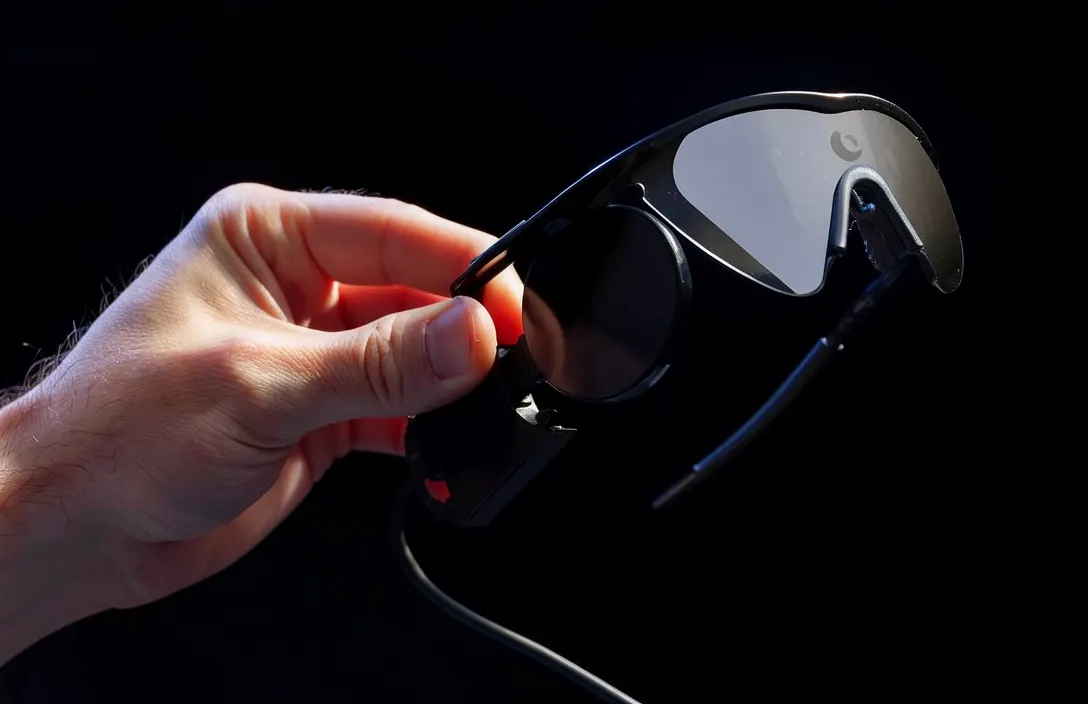
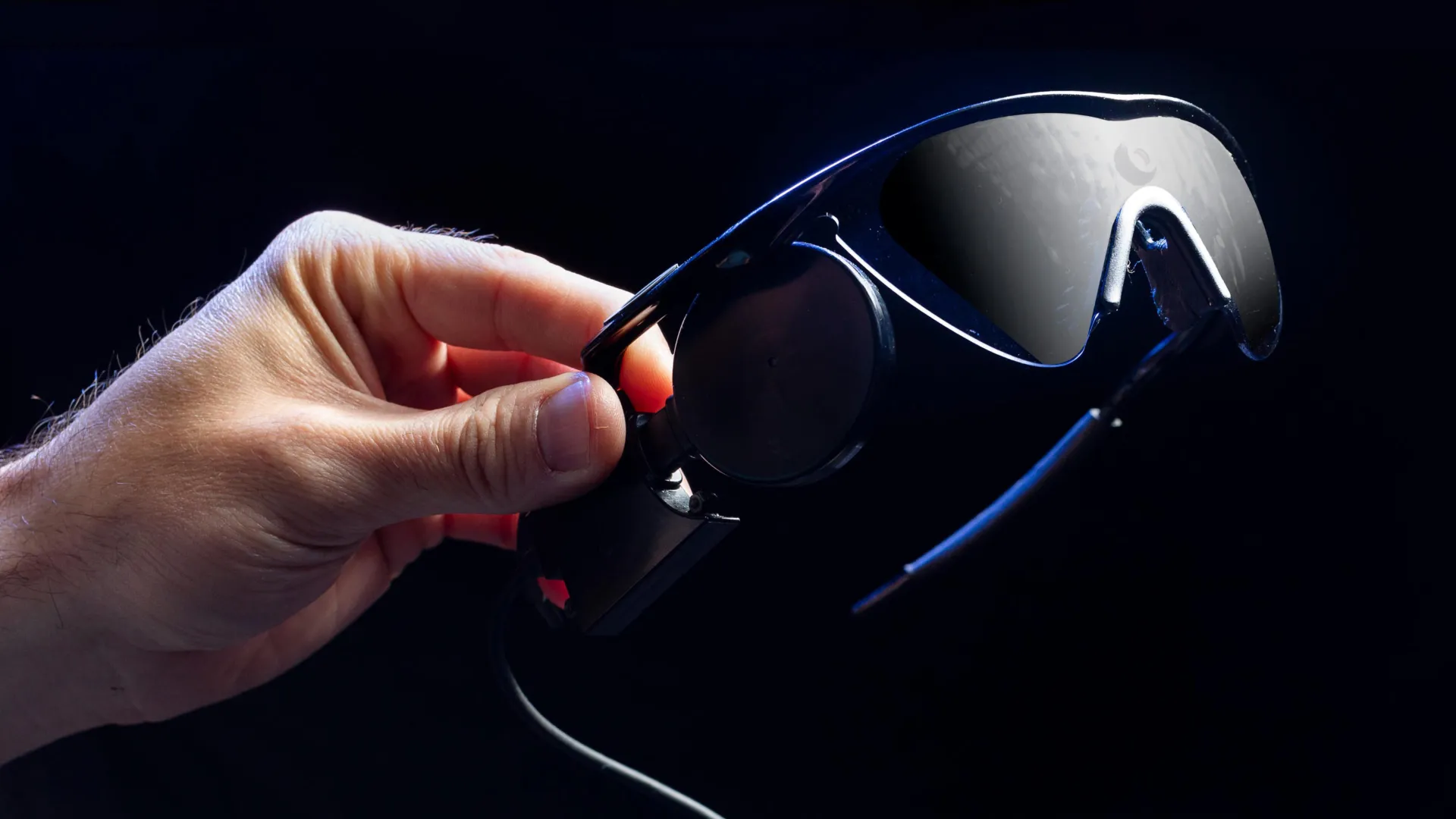
Artificial intelligence could help overcome one of the biggest challenges in restoring vision to people who are blind: getting a brain implant to produce reliable visual experiences. Researchers from three institutions, including UC Santa Barbara, have demonstrated that AI can improve how precisely an experimental visual prosthesis stimulates the brain and predicts what a person perceives (source ID 1). The team used a deep learning system to develop electrical stimulation patterns for electrodes temporarily implanted in the visual cortex, the region at the back of the brain responsible for processing visual information. By analyzing the brain's responses, the technology gave researchers greater control over neural activity and helped them better anticipate the visual sensations produced by the implant. [1]
Visual cortical prostheses work differently from other experimental devices that stimulate the retina or optic nerves. Instead, they deliver electrical signals directly to the visual cortex, offering a potential solution for people whose visual pathways have been damaged but whose visual cortex can still respond to stimulation (source ID 1). Possible candidates include individuals who lost their sight because of strokes, neurodegenerative diseases, or traumatic brain injuries. The ability to regain even limited vision could be especially meaningful for people who remember what it was like to see. [1]
An important opportunity to test the technology came in 2024, when researchers from Beyeler's Bionic Vision Lab traveled to Spain. Their goal was to determine whether their computer models could improve the performance of a brain implant already being used in an experimental study. At Hospital IMED Elche, the team worked with a 27-year-old man who had become blind following a traumatic brain injury. He had received an implant containing 96 electrodes arranged in an array within his visual cortex (source ID 1). [1]
The findings suggest that future visual prostheses may need to do more than simply deliver electrical signals. They may also need to monitor how the brain reacts and use that feedback to continually improve stimulation. Teaching Brain Implants to Adapt to Each Person A key advantage of the implant used in the experiment was its ability to perform two tasks. It could stimulate the visual cortex with electrical current while simultaneously recording the resulting neural activity (source ID 1). [1]
Advertisement
Artificial intelligence could help overcome one of the biggest challenges in restoring vision to people who are blind: getting a brain implant to produce reliable visual experiences. Researchers from three institutions, including UC Santa Barbara, have demonstrated that AI can improve how precisely an experimental visual prosthesis stimulates the brain and predicts what a person perceives (Source ID: 1). The team used a deep learning system to develop electrical stimulation patterns for electrodes temporarily implanted in the visual cortex, the region at the back of the brain responsible for processing visual information. [1]
An important opportunity to test the technology came in 2024, when researchers from Beyeler's Bionic Vision Lab traveled to Spain. Their goal was to determine whether their computer models could improve the performance of a brain implant already being used in an experimental study. At Hospital IMED Elche, the team worked with a 27-year-old man who had become blind following a traumatic brain injury. He had received an implant containing 96 electrodes arranged in an array within his visual cortex (Source ID: 1). [1]
The new approach generated the intended patterns of neural activity more accurately than the comparison methods while requiring less electrical current. Another important discovery emerged when the team examined the relationship between brain activity and the participant's visual experiences. The patterns recorded directly from his brain were better predictors of what he perceived than the stimulation settings themselves (Source ID: 1). [1]
Artificial intelligence could help overcome one of the biggest challenges in restoring vision to people who are blind: getting a brain implant to produce reliable visual experiences. Researchers from three institutions, including UC Santa Barbara, have demonstrated that AI can improve how precisely an experimental visual prosthesis stimulates the brain and predicts what a person perceives (Source ID: 1). By analyzing the brain's responses, the technology gave researchers greater control over neural activity and helped them better anticipate the visual sensations produced by the implant. [1]
Advertisement
An important opportunity to test the technology came in 2024, when researchers from Beyeler's Bionic Vision Lab traveled to Spain. Their goal was to determine whether their computer models could improve the performance of a brain implant already being used in an experimental study. At Hospital IMED Elche, the team worked with a 27-year-old man who had become blind following a traumatic brain injury (Source ID: 1). [1]
The new approach generated the intended patterns of neural activity more accurately than the comparison methods while requiring less electrical current. Another important discovery emerged when the team examined the relationship between brain activity and the participant's visual experiences. The patterns recorded directly from his brain were better predictors of what he perceived than the stimulation settings themselves (Source ID: 1). [1]
Artificial intelligence could help overcome one of the biggest challenges in restoring vision to people who are blind: getting a brain implant to produce reliable visual experiences. Researchers from three institutions, including UC Santa Barbara, have demonstrated that AI can improve how precisely an experimental visual prosthesis stimulates the brain and predicts what a person perceives (Source ID: 1). The team used a deep learning system to develop electrical stimulation patterns for electrodes temporarily implanted in the visual cortex, the region at the back of the brain responsible for processing visual information. [1]
An important opportunity to test the technology came in 2024, when researchers from Beyeler's Bionic Vision Lab traveled to Spain. Their goal was to determine whether their computer models could improve the performance of a brain implant already being used in an experimental study (Source ID: 1). At Hospital IMED Elche, the team worked with a 27-year-old man who had become blind following a traumatic brain injury. He had received an implant containing 96 electrodes arranged in an array within his visual cortex. [1]
Advertisement
When researchers activated the electrodes using electrical current, the participant experienced visual sensations known as phosphenes. These can appear as spots, flashes, or shapes of light, sometimes resembling stars or fireworks. Producing these sensations is possible, but making them consistent and predictable is much more difficult (Source ID: 1). The same electrical stimulation does not always trigger an identical response, and activating particular electrodes does not guarantee that the person will perceive a specific visual pattern. [1]
Sources
ScienceDaily Health & Medicine
Prepared with AI assistance from the cited sources.
The Cali Reporter newsletter
The stories worth your time.
California, the country, and what comes next. Join our free newsletter for reporting that keeps you informed.
More in Health & Medicine
- Brain Energy Mismatches in Schizophrenia
A new study explores the potential role of energy bottlenecks in brain cells in explaining fragmented experiences of time, space, and self in schizophrenia.
- Brazil Reports First Mpox Death in 2026
Brazil has recorded its first mpox-related death in 2026, but public health officials are not classifying the current surge in cases as an outbreak, according to the Fiocruz Institute.
- Personalized Therapies for IBD May Target Specific Harmful Gut Bacteria
A study led by Dr. Lukas Mager and Prof. Kathy McCoy has identified two gut bacteria that promote inflammation in inflammatory bowel disease, opening the door for personalized treatments.