AI and the Future of Education
Daniel Susskind's new book, 'What Should My Children Do?', explores how AI is reshaping education and career paths for the next generation.

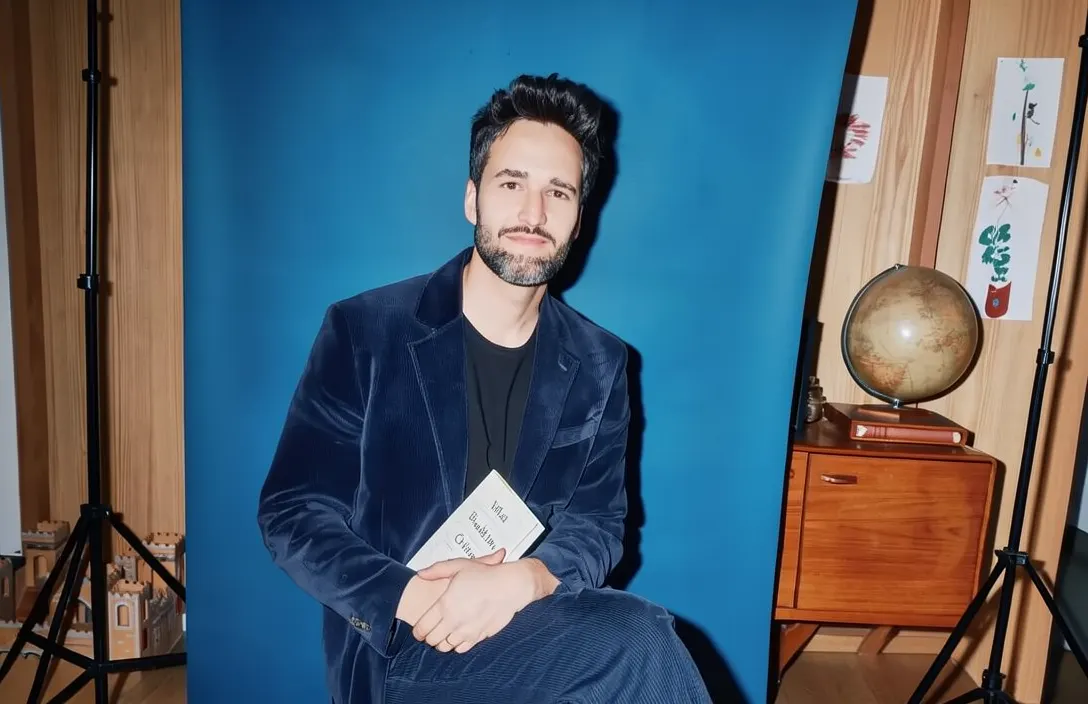
In his book 'What Should My Children Do?', economist Daniel Susskind discusses how AI is altering the purpose of education, shifting focus from preparing children for specific jobs to developing skills and character that can adapt to an uncertain future. Susskind argues that the traditional emphasis on workplace competence may no longer be sufficient as AI progresses, and instead, education should cultivate personal character and moral understanding (source ID: 1). [1]
Susskind suggests that students should learn to use AI effectively, allowing them to 'stand on the shoulders' of the technology to accomplish complex tasks, while also ensuring they can 'flourish without the technology.' He recommends that one third of a student's time at college and university be dedicated to learning about AI and its applications (source ID: 1). [1]
The book also addresses the potential for AI to replace human roles in various fields, emphasizing that future success may depend on roles where human involvement is valued for aesthetic, empathetic, or moral reasons. Susskind advises that individuals should pursue careers driven by a genuine interest in solving meaningful problems rather than traditional job titles (source ID: 1). [1]
Susskind highlights the importance of maintaining literacy, numeracy, and critical thinking skills even in an age where AI can perform these tasks. He warns that losing these skills would be a disaster, leaving people unprepared for the future. His approach advocates for a balanced education strategy that integrates AI with fundamental learning (source ID: 1). [1]
Advertisement
In his book 'What Should My Children Do?', economist Daniel Susskind discusses how AI is altering the purpose of education, shifting focus from preparing children for specific jobs to developing skills and character that can adapt to an uncertain future (source ID: 1). Susskind suggests that students should learn to use AI effectively, allowing them to 'stand on the shoulders' of the technology to accomplish complex tasks, while also ensuring they can 'flourish without the technology.' He recommends that one third of a student's time at college and university be dedicated to learning about AI and its applications. This shift in educational priorities reflects the changing landscape brought about by AI, where the ability to adapt is more crucial than ever before. [1]
Susskind emphasizes that education should not focus solely on AI-related skills but also on maintaining fundamental competencies such as literacy, numeracy, and critical thinking. He argues that these skills, even if AI can perform them more efficiently, are essential for future preparedness. Susskind warns that losing these basic skills would be a disaster, leaving people unprepared for what lies ahead. Therefore, he advocates for an educational approach that integrates AI with traditional learning methods, ensuring that students can both utilize AI effectively and retain core competencies (source ID: 1). [1]
The author suggests that AI can enhance education by providing personalized learning experiences, similar to the Oxford tutorial system but more accessible. He also highlights the importance of developing character and moral reasoning in an AI-dominated world. Susskind believes that future education should focus more on cultivating personal character and moral questions in classrooms rather than just workplace competence. This approach aims to prepare students for a future where human roles may be reshuffled, and the value of certain professions may change significantly (source ID: 1). [1]
In his book 'What Should My Children Do?', economist Daniel Susskind discusses how AI is altering the purpose of education, shifting focus from preparing children for specific jobs to developing skills and character that can adapt to an uncertain future. Susskind suggests that students should learn to use AI effectively, allowing them to 'stand on the shoulders' of the technology to accomplish complex tasks, while also ensuring they can 'flourish without the technology.' He recommends that one third of a student's time at college and university be dedicated to learning about AI and its applications (source ID: 1). [1]
Advertisement
Susskind emphasizes that education should not focus solely on AI-related skills but also on maintaining fundamental competencies such as literacy, numeracy, and critical thinking. The author suggests that AI can enhance education by providing personalized learning experiences, similar to the Oxford tutorial system but more accessible (source ID: 1). [1]
While Susskind readily admits AI is warping and ingesting white-collar work far faster than blue-collar work, he isn't advising you to tell your kids to become plumbers. In fact, his counterintuitive advice for early-career white-collar audiences is to stay the course (source ID: 1). [1]
In his book 'What Should My Children Do?', economist Daniel Susskind discusses how AI is altering the purpose of education, shifting focus from preparing children for specific jobs to developing skills and character that can adapt to an uncertain future (source ID: 1). Susskind emphasizes that education should not focus solely on AI-related skills but also on maintaining fundamental competencies such as literacy, numeracy, and critical thinking. He argues that these skills are essential for individuals to remain prepared for an evolving world, even as AI takes over many tasks. Susskind warns that losing these fundamental skills would be a disaster, as it would leave people unprepared for what lies ahead. [1]
Susskind suggests that students should learn to use AI effectively, allowing them to 'stand on the shoulders' of the technology to accomplish complex tasks, while also ensuring they can 'flourish without the technology.' He recommends that one third of a student's time at college and university be dedicated to learning about AI and its applications (source ID: 1). This approach aims to balance the integration of AI into education with the preservation of core skills. Susskind believes that AI can enhance education by providing personalized learning experiences, similar to the Oxford tutorial system but more accessible. [1]
Advertisement
While Susskind readily admits AI is warping and ingesting white-collar work far faster than blue-collar work, he isn't advising you to tell your kids to become plumbers (source ID: 1). Instead, he suggests that early-career white-collar audiences should stay the course in their chosen fields, as the future will likely see more domain experts working alongside AI. Susskind emphasizes the importance of choosing fields based on intrinsic motivation rather than external factors, such as the image or lifestyle associated with a profession. This approach ensures that individuals remain engaged and committed to their work, even as AI reshapes the landscape of employment. [1]
Sources
Prepared with AI assistance from the cited sources.
The Cali Reporter newsletter
The stories worth your time.
California, the country, and what comes next. Join our free newsletter for reporting that keeps you informed.
More in Business
- Kirkland Signature Meals: A Family's Take on Taste and Value
A family's review of Kirkland Signature meals highlights a mix of flavors, textures, and value at Costco, with some dishes standing out while others fall short of expectations.
- Ex-OpenAI Engineer Donates Equity to AI Safety
Jacob Coxon, a former engineer at OpenAI and Anthropic, has pledged to donate his equity in OpenAI to AI safety research, citing concerns over the risks of uncontrolled AI development.
- Scottish Hacker Sentenced for Crypto Theft Scheme
A Scottish hacker has been sentenced to six years in U.S. federal prison for orchestrating a large-scale cryptocurrency theft operation, according to a report from the U.S. Attorney’s Office for the Central District of…