Africa's Growing Role in Climate Finance
Africa is seeking to increase its share of climate funding through stronger local financial institutions and greater ownership of critical minerals, according to the Green Climate Fund's regional director for Africa.

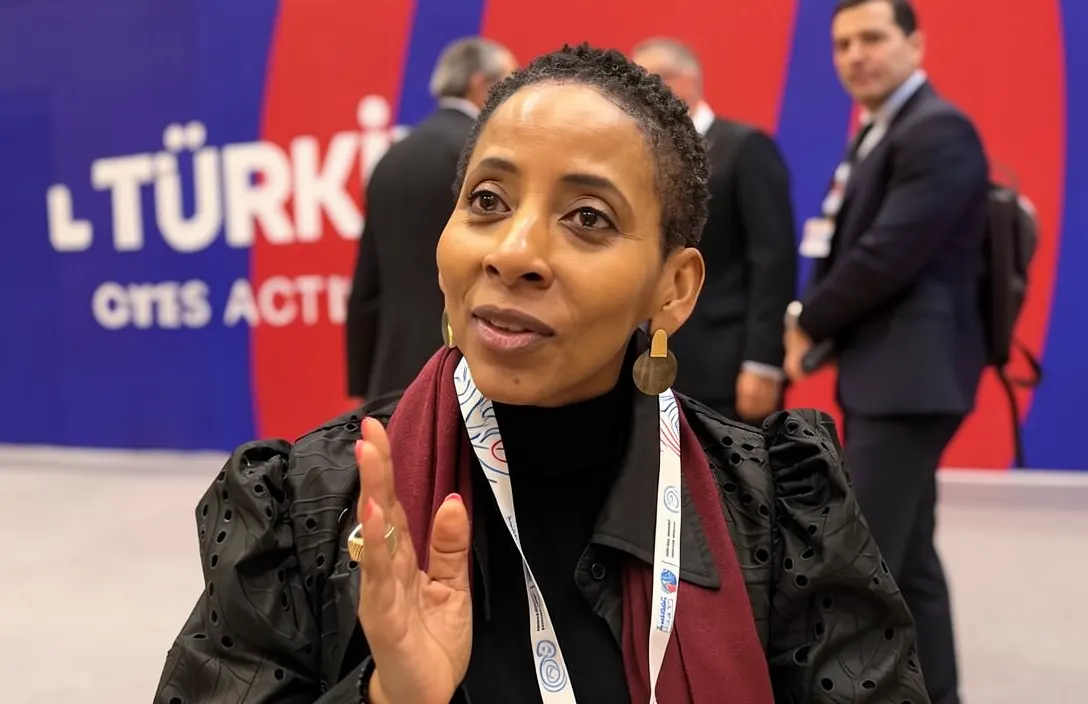

The Green Climate Fund’s Africa director, Catherine Koffman, emphasized the importance of stronger local financial institutions, African investment, and greater ownership of critical minerals in capturing a bigger share of the green economy’s rewards during an interview with bird story agency at COP31 in Antalya, Türkiye (All Africa, 2026). Koffman noted that while Africa currently holds about 37% of the GCF’s global portfolio, much of the funding has historically been channeled through international institutions, limiting the role of local financial institutions in managing investments (All Africa, 2026). [1]
Koffman highlighted the need for African countries to work together to protect their economic interests rather than pursue individual arrangements that weaken their bargaining power (All Africa, 2026). She also pointed out that Africa’s growing interest in processing its critical minerals could deliver lasting economic gains only if the continent maintains greater ownership of these resources (All Africa, 2026). [1]
Koffman emphasized that African countries need to strengthen their institutions and financial systems to attract more diverse capital and liquidity into the market (All Africa, 2026). She noted that the GCF is increasingly focused on helping African institutions develop the capacity to access and manage climate finance directly (All Africa, 2026). [1]
Catherine Koffman, the Green Climate Fund’s regional director for Africa, emphasized the importance of strengthening local financial institutions and increasing African investment to capture a larger share of the green economy’s rewards during an interview with bird story agency at COP31 in Antalya, Türkiye (All Africa, 2026). Koffman noted that Africa currently receives about 37% of the GCF’s $3.3 billion in new funding approved in 2026, which brings the Fund’s global portfolio to $22.3 billion. She explained that historically, much of the financing for Africa has been channeled through international institutions, leaving local financial institutions with a smaller role in managing those investments (All Africa, 2026). [1]
Advertisement
Koffman highlighted the need for African countries to work together to protect their economic interests rather than pursue individual arrangements that weaken their bargaining power. She argued that collaboration among African nations is essential to ensuring that the continent secures a larger share of the green economy’s benefits. Koffman also noted that the GCF is increasingly helping African institutions develop the capacity to access and manage climate finance directly (All Africa, 2026). [1]
Koffman questioned whether Africa’s growing interest in processing its critical minerals would deliver lasting economic gains without greater ownership of the resources themselves. She stressed that African countries must focus on strengthening their institutions and financial systems to attract more investment and to ensure that the continent’s economic interests are protected (All Africa, 2026). [1]
Catherine Koffman, the Green Climate Fund’s regional director for Africa, emphasized the importance of strengthening local financial institutions and increasing African investment to capture a larger share of the green economy’s rewards during an interview with bird story agency at COP31 in Antalya, Türkiye (All Africa, 2026). Koffman highlighted the need for African countries to work together to protect their economic interests rather than pursue individual arrangements that weaken their bargaining power. She noted that the Green Climate Fund approved a record US$3.3 billion in new funding worldwide in 2026, bringing its global portfolio to US$22.3 billion. Africa’s cumulative share of that portfolio is US$8.3 billion, or about 37% (All Africa, 2026). [1]
Koffman explained that much of the Green Climate Fund’s financing for Africa has historically been channelled through international institutions, leaving local financial institutions with a smaller role in managing those investments. She stated that the GCF is increasingly helping African institutions develop the capacity to access and manage climate finance directly. Koffman also questioned whether Africa’s growing interest in processing its critical minerals would deliver lasting economic gains without greater ownership of the resources themselves (All Africa, 2026). [1]
Advertisement
Koffman emphasized that African countries need to work together to protect their economic interests rather than pursue individual arrangements that weaken their bargaining power. She suggested that African leaders should focus on strengthening their own institutions and financial systems to attract more investment. Koffman noted that stronger institutions, including stronger governance and financial systems, can attract more capital and diversity of capital into the market (All Africa, 2026). [1]
Catherine Koffman emphasized the need for African countries to strengthen their institutions and financial systems to better manage climate finance and capture a larger share of the green economy’s rewards (All Africa, 2026). She noted that much of the Green Climate Fund’s financing for Africa has historically been channeled through international institutions, leaving local financial institutions with a smaller role in managing those investments. Koffman highlighted that the GCF has approved a record US$3.3 billion in new funding worldwide in 2026, bringing its global portfolio to US$22.3 billion, with Africa’s cumulative share at US$8.3 billion, or about 37% (All Africa, 2026). [1]
Koffman explained that the GCF is increasingly helping African institutions develop the capacity to access and manage climate finance directly. She emphasized that African countries need to work together to protect their economic interests rather than pursue individual arrangements that weaken their bargaining power (All Africa, 2026). Koffman also questioned whether Africa’s growing interest in processing its critical minerals would deliver lasting economic gains without greater ownership of the resources themselves (All Africa, 2026). [1]
Koffman noted that the GCF has historically directed 80% of its funding to international institutions in Africa, but is now focusing more on supporting regional institutions. She stressed the importance of strengthening local governance, fiduciary management, and financial systems to attract more diverse capital into the market (All Africa, 2026). Koffman also mentioned that African leaders should focus on making the continent more investable by strengthening local institutions rather than constantly seeking external partners (All Africa, 2026). [1]
Advertisement
The Cali Reporter newsletter
The stories worth your time.
California, the country, and what comes next. Join our free newsletter for reporting that keeps you informed.
More in U.S. News
- Nvidia CEO Returns to Denny's After Plaque Removal
Nvidia's CEO, Jensen Huang, has returned to the Denny's in San Jose, California, where the company was founded, following the temporary removal of a commemorative plaque.
- Taylor Frankie Paul Hints at Applying for Sam Hartman's 'Bachelor' Season
Taylor Frankie Paul, whose 'Bachelorette' season was canceled, is jokingly suggesting she may apply for Sam Hartman's upcoming 'Bachelor' season.
- Kentucky Couple's Dream Home Turns Into Snake-Infested Nightmare
A Kentucky couple's new home has become a snake-infested nightmare, with evidence suggesting the infestation may have been present for decades.