A Photographer's Journey into Skate Culture and Community
Raymond Alva's book 'Beer Friday' captures the essence of skate culture and the tight-knit community at Crooks Skateshop in Riverside.

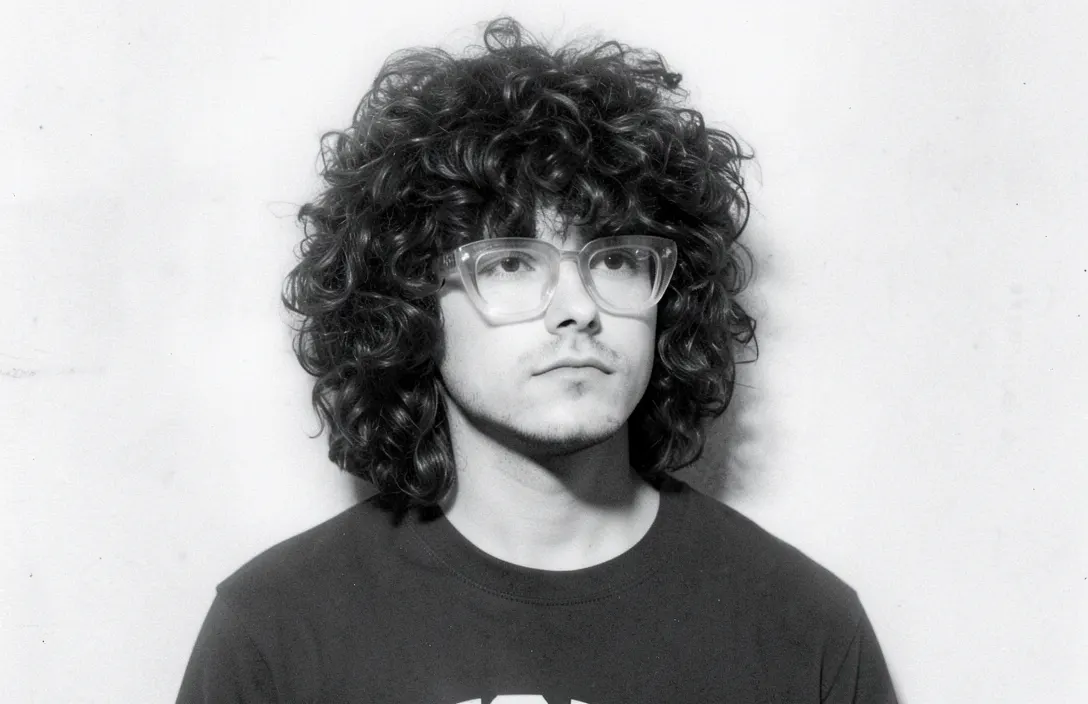
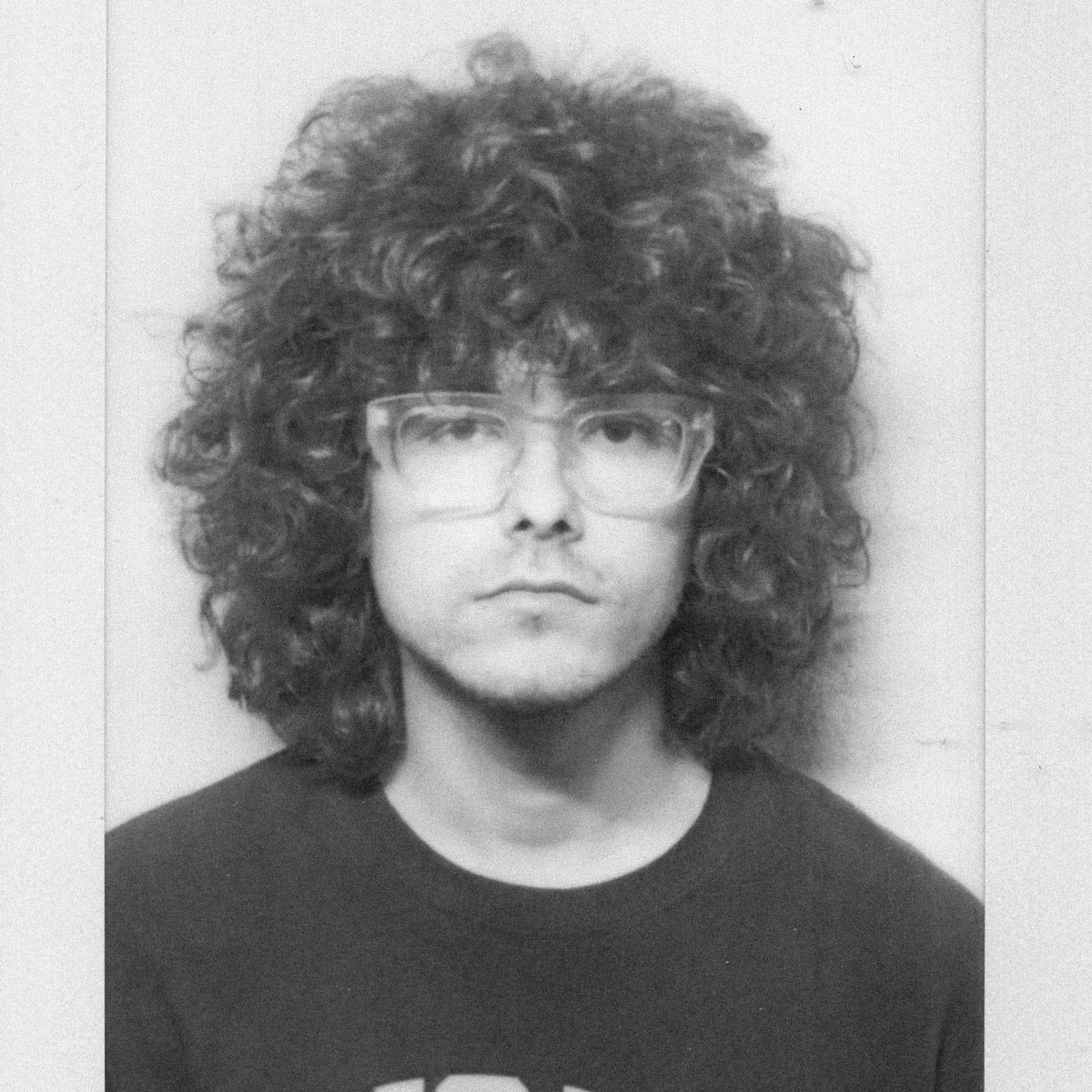
Raymond Alva, known as RAP, initially approached the owner of Crooks Skateshop, Allen Lusk, with the idea of photographing portraits of the skaters who frequented the shop. However, Lusk initially refused. Instead of giving up, RAP stayed around, eventually earning the shop's trust and becoming part of the community (1). [1]
After several months of building relationships, RAP was able to get the portraits he initially sought. His project evolved beyond just skateboarding, capturing the essence of male friendship and self-expression within the skate culture at Crooks (1). [1]
The book 'Beer Friday' documents five years of skateboarding and friendship at Crooks. It showcases the community's openness, allowing skaters to be themselves, whether they are sleeping on the back of a truck or treating an open wound with beer (1). [1]
RAP's work highlights the sense of security and belonging that the Crooks community provides. The shop, celebrating its 25th anniversary, has become a sanctuary for skaters, similar to the atmosphere RAP experienced growing up in Riverside's skate community (1). [1]
Advertisement
Raymond Alva, known as RAP, initially approached the owner of Crooks Skateshop, Allen Lusk, with the idea of photographing portraits of the skaters who frequented the shop (Source ID: 1). However, Lusk initially declined the proposal, prompting RAP to build relationships with the shop's community through skateboarding and shared experiences. This persistence eventually earned Lusk's trust, leading to RAP's inclusion in the group and the start of a project centered on capturing self-expression through skateboarding and male friendship. [1]
Over time, RAP's project evolved beyond its original intent, shifting focus to document the sense of security and belonging that the Crooks community provides (Source ID: 1). The photographs in 'Beer Friday' capture more than just skateboarding; they highlight a culture built on openness and authenticity, where individuals feel comfortable being themselves. This includes moments such as sleeping on the back of a truck, lighting each other's cigarettes, and even treating an open wound with beer. [1]
Through his lens, RAP has captured what he considers the truest essence of skateboarding: self-expression and male friendship (Source ID: 1). The book serves as a yearbook for the shop, preserving the community and its unpolished character. RAP's work reflects a sanctuary in Riverside, where the dedication to skateboarding is driven by passion rather than profit, creating a tight-knit group more connected than any church community he has experienced. [1]
Raymond Alva, known as RAP, initially approached the owner of Crooks Skateshop, Allen Lusk, with the idea of photographing portraits of the skaters who frequented the shop (Source ID: 1). However, Lusk initially declined the request. Instead of giving up, RAP stayed around, building relationships with the shop's community through his presence and skateboarding credentials (Source ID: 1). Over time, he earned the owner's trust and was invited to skate with the group, eventually capturing thousands of photos and creating a zine that he gifted to Lusk (Source ID: 1). [1]
Advertisement
After several months of building relationships, RAP was able to get the portraits he initially sought. However, his project evolved beyond its original intent, shifting focus to document the sense of security and belonging that the Crooks community provides (Source ID: 1). Through his lens, RAP has captured what he considers the truest essence of skateboarding: self-expression and male friendship (Source ID: 1). His work highlights the importance of community and connection, which are central to the culture at Crooks Skateshop (Source ID: 1). [1]
The book 'Beer Friday' documents five years of skateboarding and friendship at Crooks. It captures more than just a skateshop; it paints a picture of a culture built on openness, where everyone can be themselves (Source ID: 1). The love of skateboarding has allowed everyone who stops by for a beer on Friday to feel comfortable being who they are (Source ID: 1). Through RAP's lens, the book shows what male friendship looks like, emphasizing the sense of security and connection that exists within the Crooks community (Source ID: 1). [1]
Raymond Alva, known as RAP, initially approached the owner of Crooks Skateshop, Allen Lusk, with the idea of photographing portraits of the skaters who frequented the shop (Source ID: 1). His project revolved around skate culture, with the goal of capturing an angle that the public doesn't usually see. However, Lusk initially declined the proposal, prompting RAP to build relationships with the shop's community instead. His persistence and skateboarding credentials eventually earned the owner's trust, leading to an invitation to skate with the group and get to know the community members (Source ID: 1). [1]
During his first skate session, RAP captured thousands of photos, created a zine, and gifted Lusk a copy, marking the beginning of their relationship and the start of a project centered on capturing self-expression through skateboarding and male friendship (Source ID: 1). Nine months later, RAP was able to get the portraits he had initially sought, but his relationship with the shop evolved beyond that. He now considers Lusk a homie and has created a book, 'Beer Friday,' which documents five years of skateboarding and friendship at Crooks (Source ID: 1). [1]
Advertisement
Through his lens, RAP's work highlights the sense of security and belonging that the Crooks community provides. The photos in 'Beer Friday' capture more than just a skateshop; they paint a picture of a culture built on openness, where everyone can be themselves (Source ID: 1). The book shows what male friendship looks like and how the skaters at Crooks interact with one another, on and off their boards, and how comfortable they are in each other's company (Source ID: 1). [1]
Sources
Prepared with AI assistance from the cited sources.
The Cali Reporter newsletter
The stories worth your time.
California, the country, and what comes next. Join our free newsletter for reporting that keeps you informed.
More in Riverside
- Riverside Holiday Gift Guide Features Local Businesses and Experiences
A 2026 Shop Small holiday gift guide highlights Riverside businesses offering unique experiences and handmade gifts, including pottery classes, photo booths, and pet treats.
- Local Businesses Highlight Handmade and Seasonal Gift Options
Riverside-based businesses are offering a range of handmade and seasonal gift options as part of their 2026 Shop Small holiday gift guide, featuring products from apothecaries, barbershops, and candle makers.
- Local Plant Shops Highlight Holiday Gift Ideas
Riverside plant shops are offering unique holiday gift options, emphasizing personalized and meaningful selections for plant lovers.